The Wekiva - A Love Letter
By Michelle Jamesson
Part 1: The river - why it’s cool, what’s the difference between Wekiva and Wekiwa, and what the heck even is a spring anyway?
Before the mouse showed up with its churros,
singing robots, and $19 water, tourists came to Central Florida to see some real magic: the springs!
That crystal-clear spring water has always drawn people,
even before travel blogs told them to.
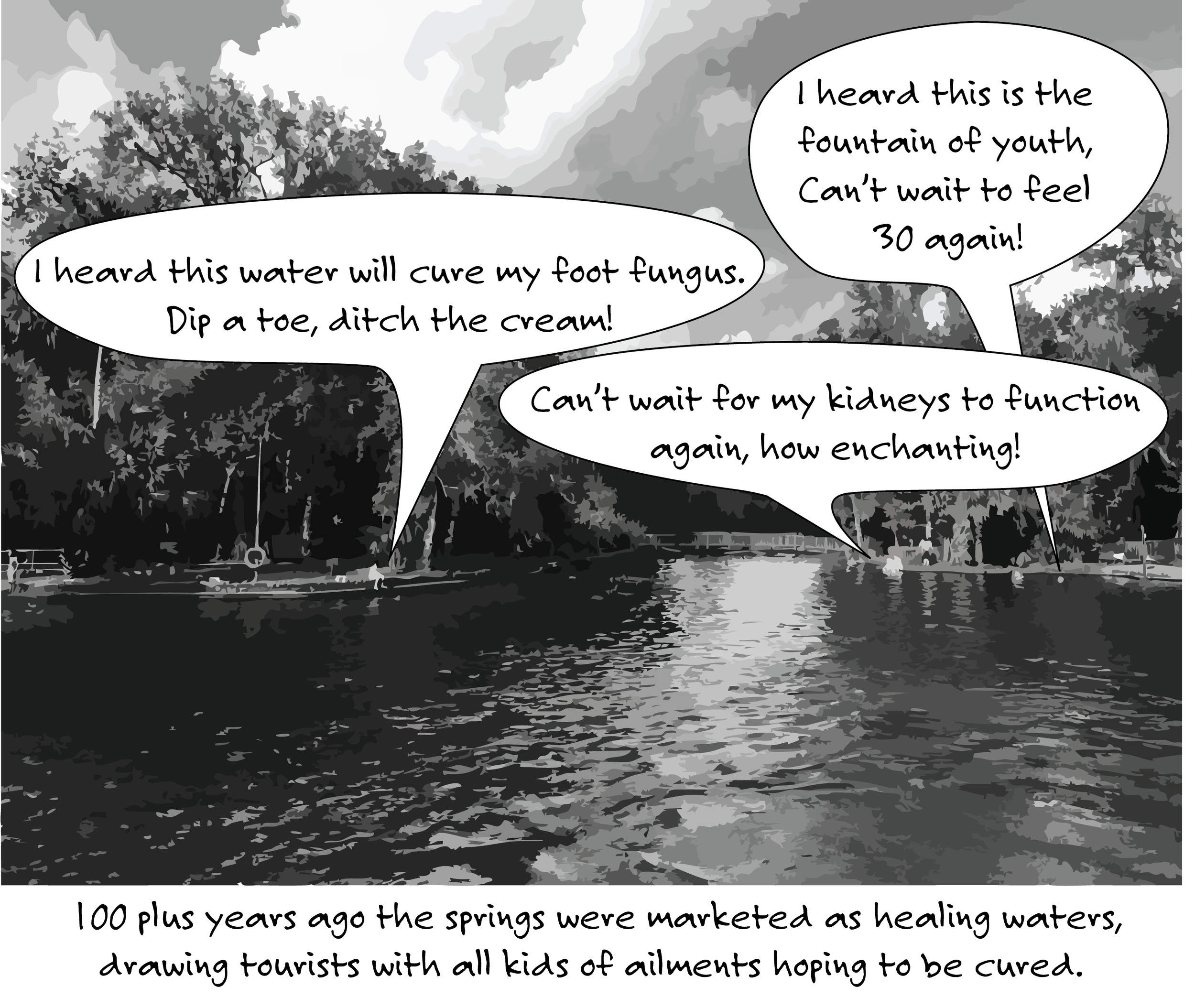
Central Florida is home to the highest concentration of freshwater springs on the entire planet.
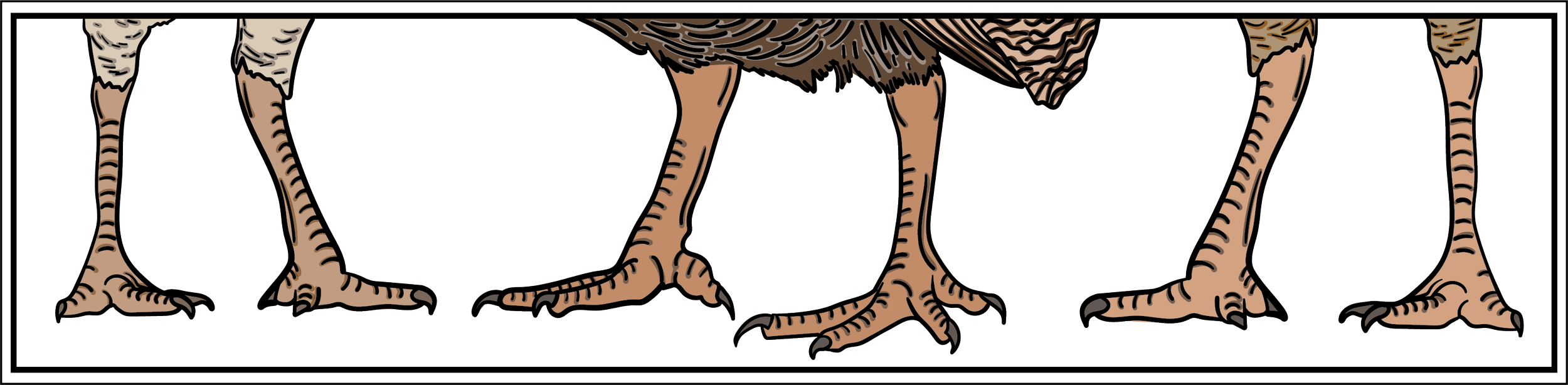
That’s right, we’ve got more magical water holes than anywhere else, hundreds of them! Without a single animatronic pirate in sight. And the only turkey legs you’ll find are those still attached to wild turkeys.
These springs and their surrounding basins provide essential habitat for a wide variety of plant and animal species. People love them too. Long before sunscreen-clad tourists showed up with pool noodles and waterproof phone cases, Indigenous peoples cherished these waters for their beauty, freshwater, and ecological richness.
Today, locals and visitors from around the globe flock to Florida’s springs to enjoy nature’s original waterpark.
Because they are cool. Literally. 72 degrees all year round.
They remain major attractions, despite the competition from fake castles and roller coasters. These stunning natural wonders are not only vital to Florida’s environment but also to its economy, conservation efforts, and cultural heritage.
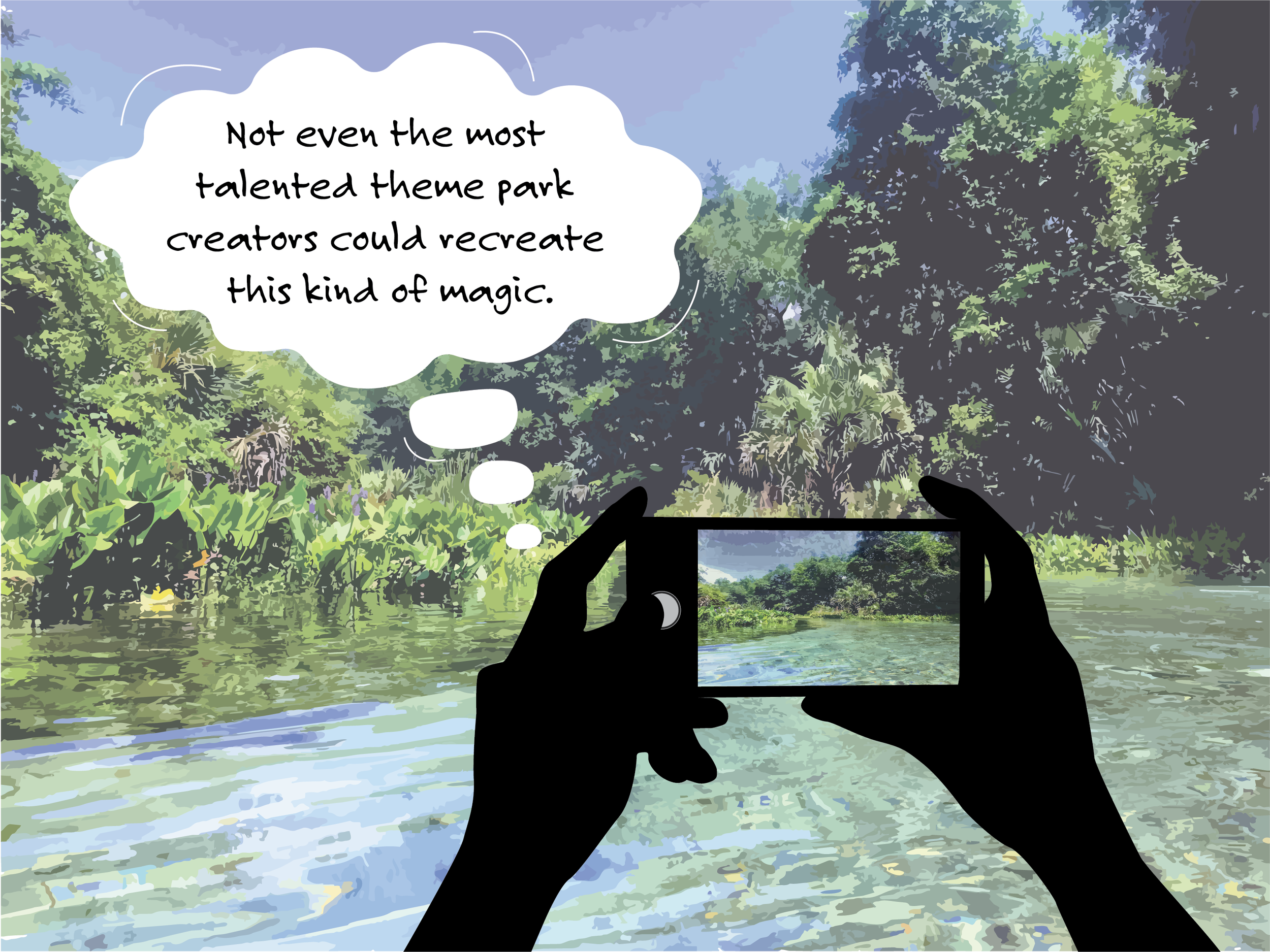
It's remarkable springs exist at all.
Millions of years ago much of Florida lay beneath the ocean. Over time layers of limestone accumulated under the sea, eventually shaping much of the state's distinctive terrain. As sea levels rose and fell parts of this porous limestone dissolved, creating a fascinating geological landscape of sinkholes, caves, and an underground drainage system known as the Floridan Aquifer, Florida’s most crucial source of fresh water.
But that fresh water isn't a spring yet...
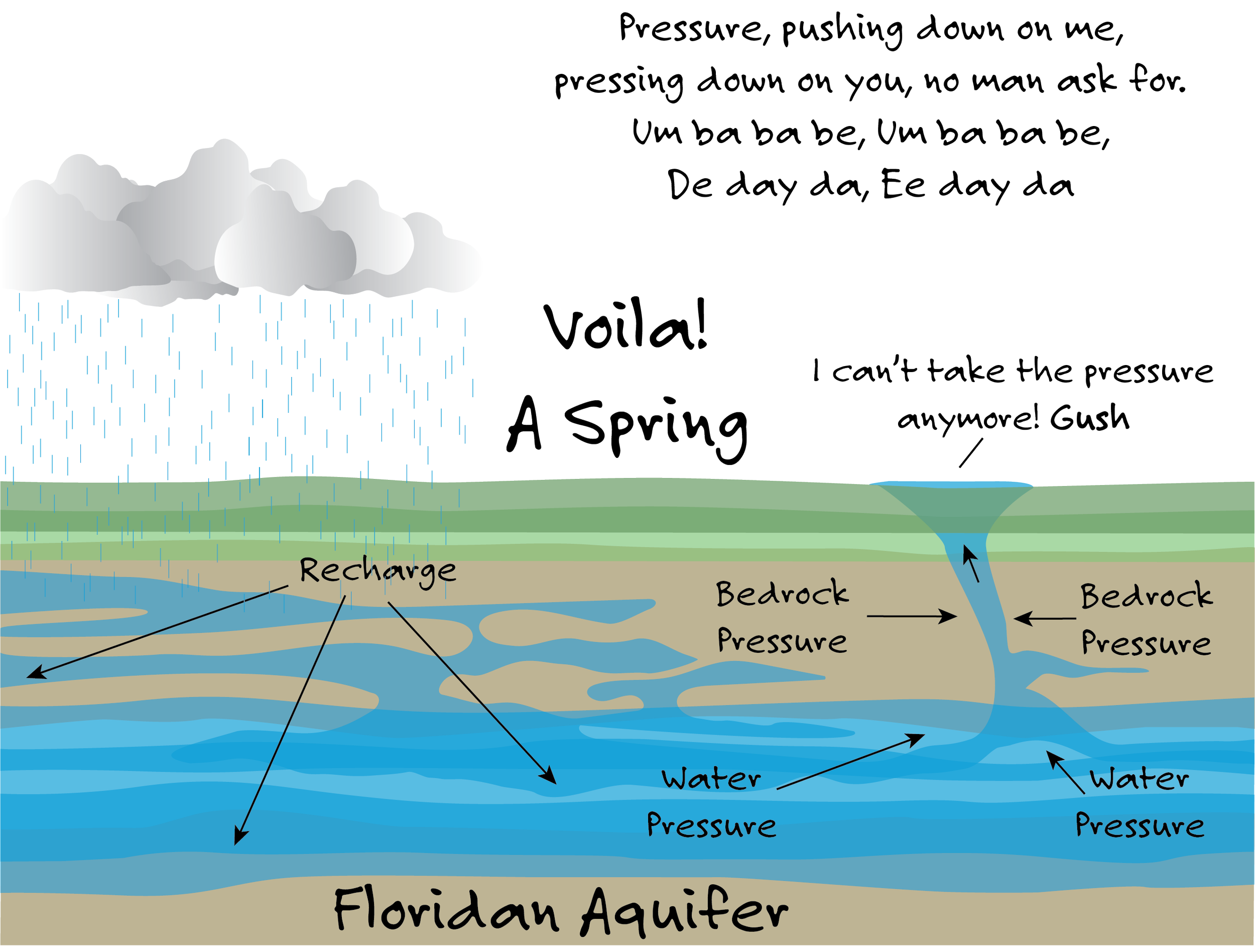
When it rains the water seeps through the limestone
and replenishes the Floridan Aquifer, gradually raising its water level. Scientists call this recharge.
As more water fills the aquifer the pressure builds from
both the weight of the water and the surrounding bedrock.
Eventually that pressure pushes the water through natural
openings in the limestone. Voila! A spring.
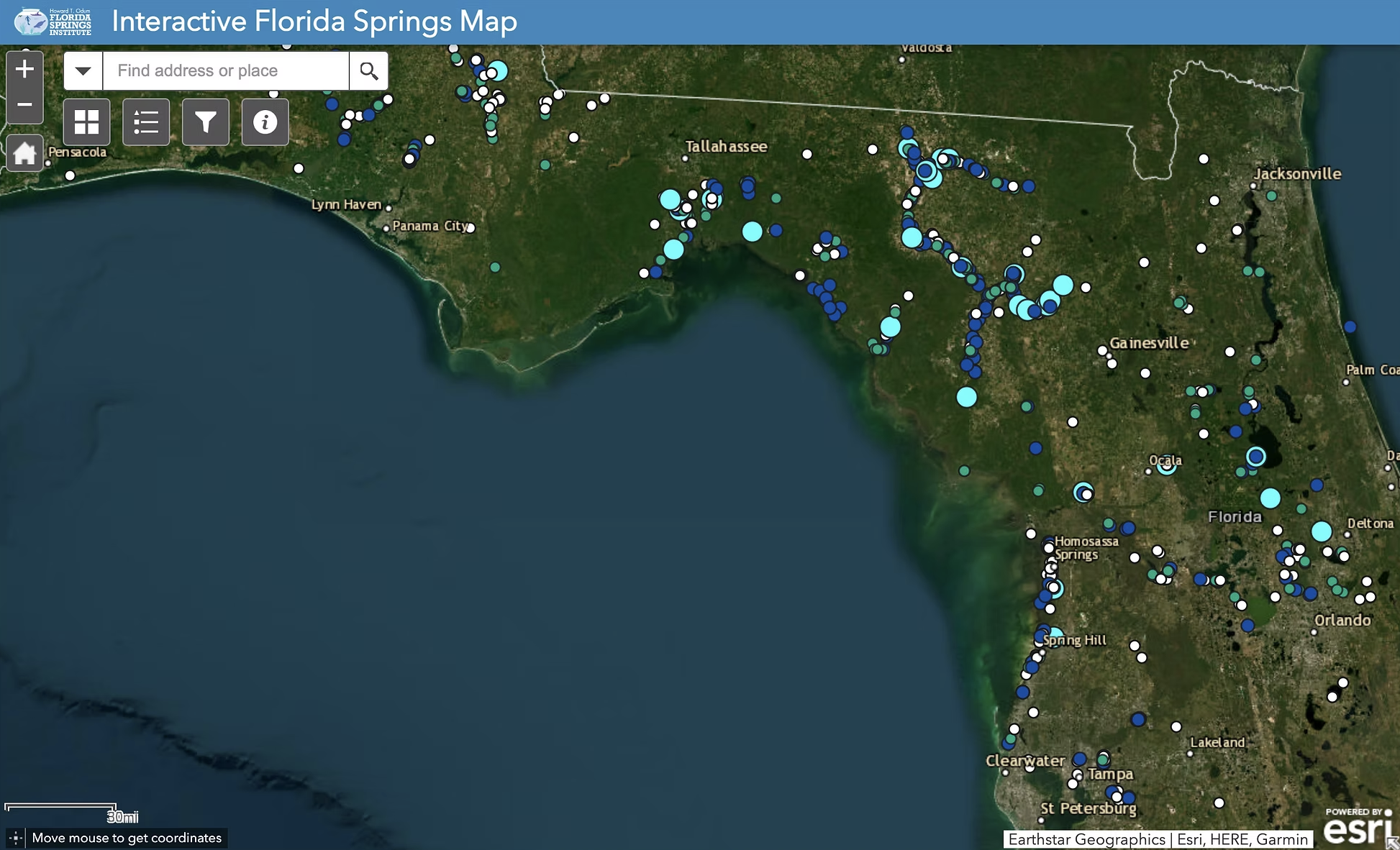
The Florida Springs Institute's interactive map is a great way to explore the state's springs.
There's over 1,000 of them!
But this story centers on a remarkable spring: Wekiwa Springs, Florida’s first and longest-running tourist attraction. Just north of Orlando, it remains one of the most popular springs in the state, attracting around 434,000 visitors annually.
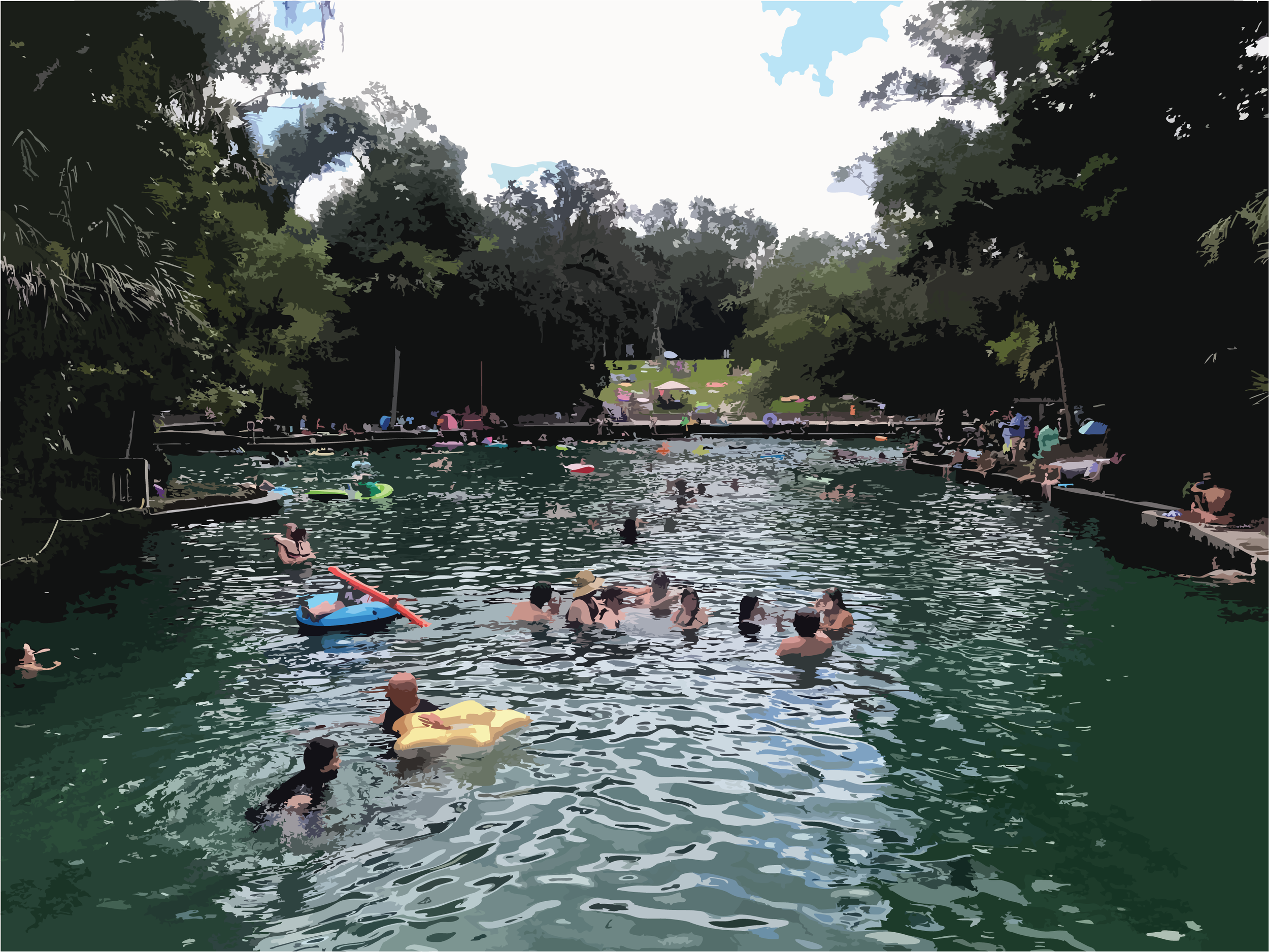
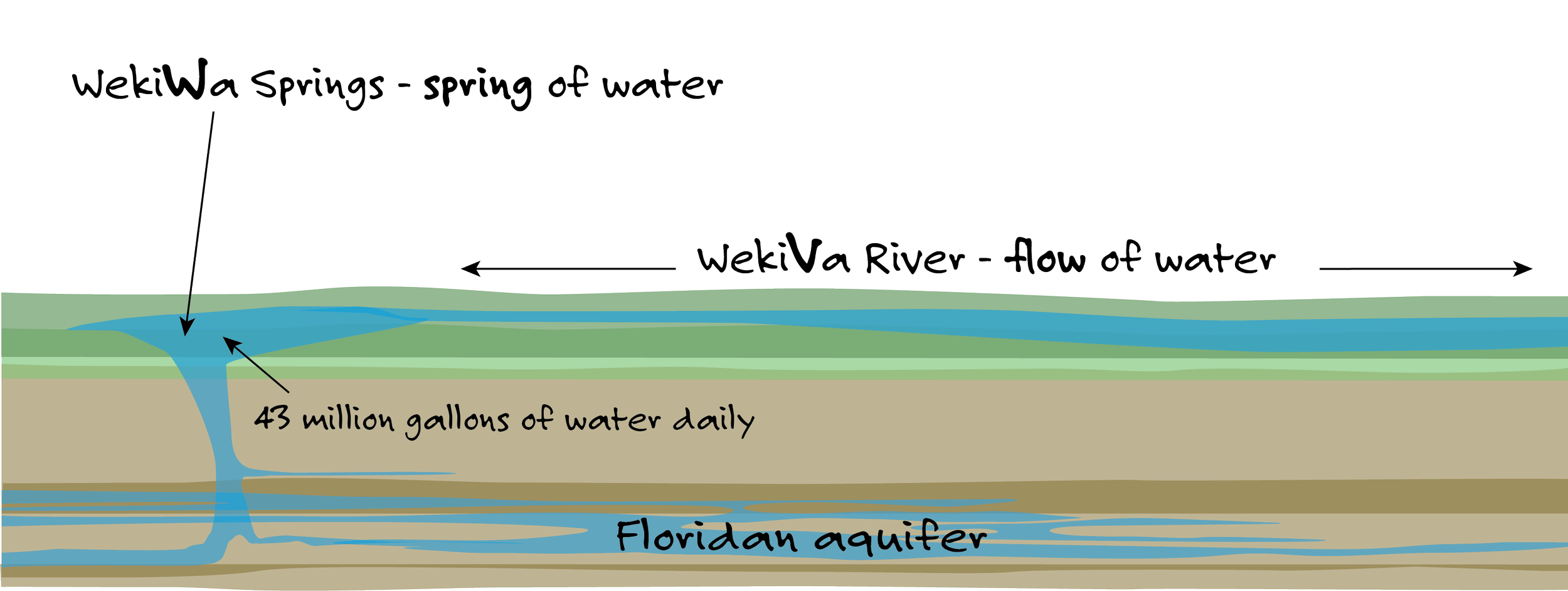
Wekiwa is a second-magnitude spring discharging roughly 43 million gallons of water daily from the Floridan Aquifer. That's enough to fill over 2,000 average-sized
residential swimming pools every day!
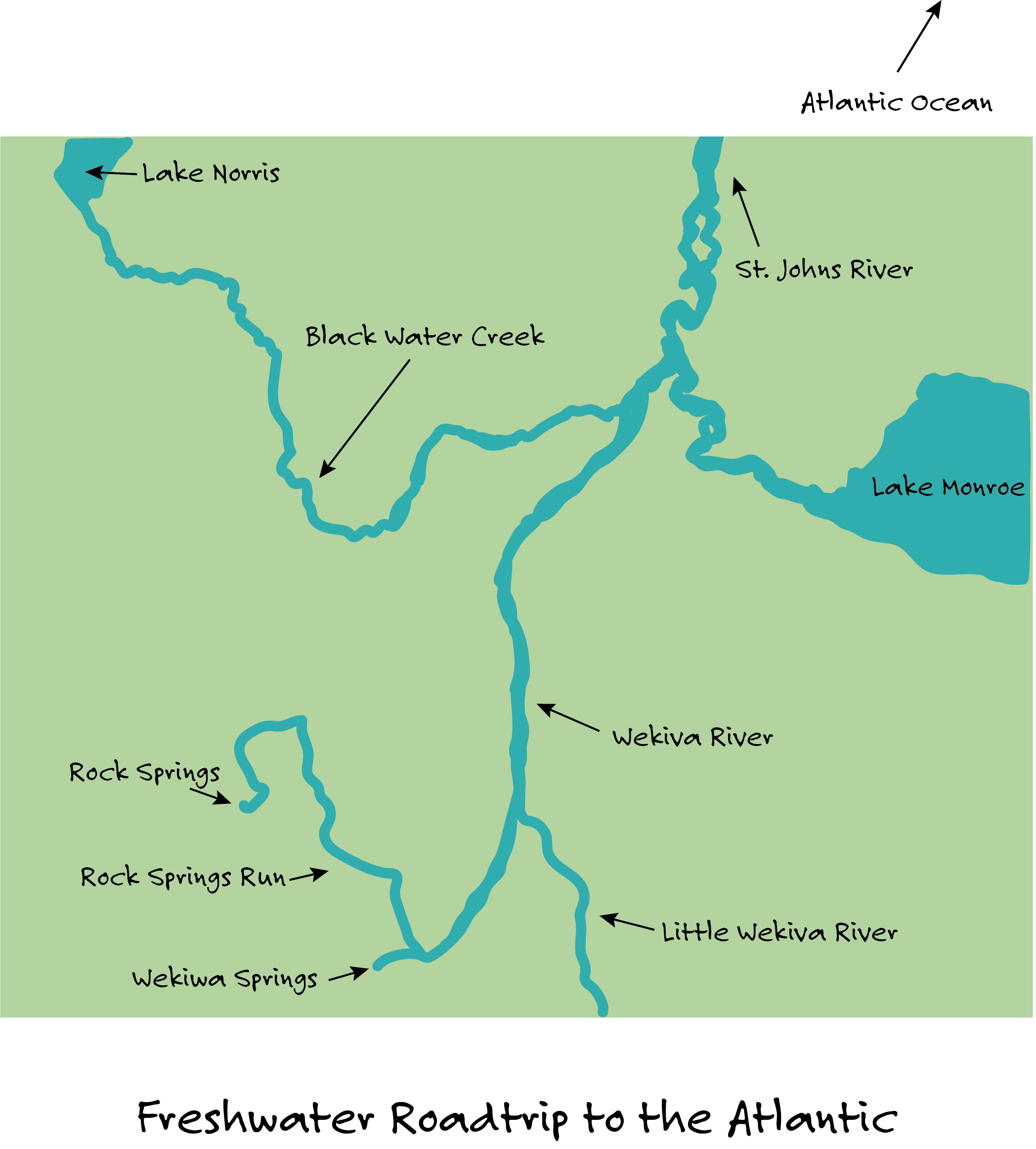
That water flows downstream for almost a mile until it meets Rock Springs Run, and that's where the Wekiva River
officially begins. Along the way, it’s joined by two tributaries, Blackwater Creek, and the Little Wekiva River, creating a 42-mile network of waterways fed by more than 34 named springs.
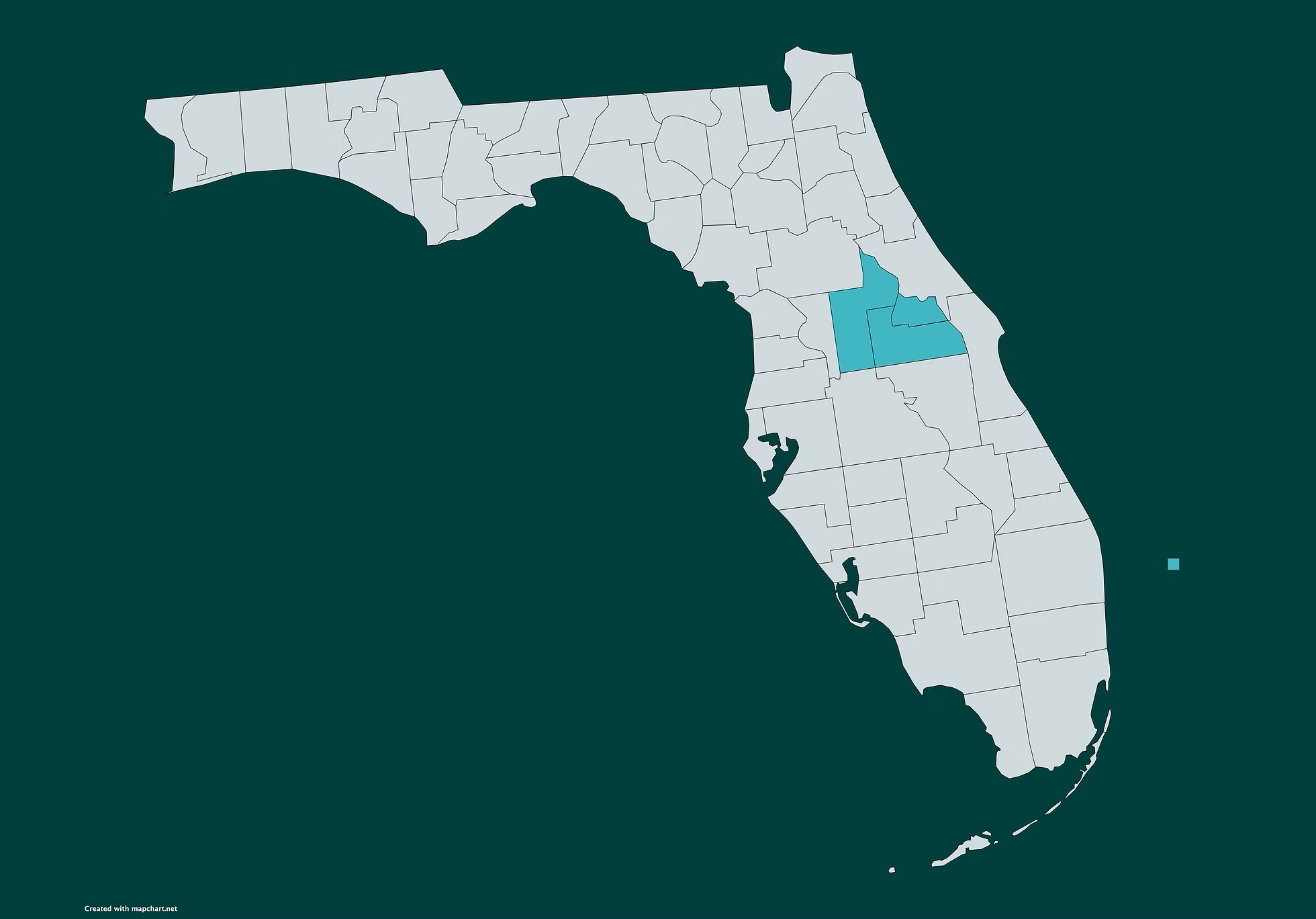
It takes three counties, Orange, Seminole, and Lake,
to hold the Wekiva Basin.
Eventually, the Wekiva and all its tributaries merge with the St. Johns River and make their journey north to the Atlantic Ocean.
The names Wekiwa and Wekiva come from Creek-Seminole origins: Wekiwa means spring of water, while Wekiva means flow of water.
In 1890, nearly 70 years before Disney started
charging people to stand in line, Wekiwa Springs
(then known as Clay Springs) was already the place to be.
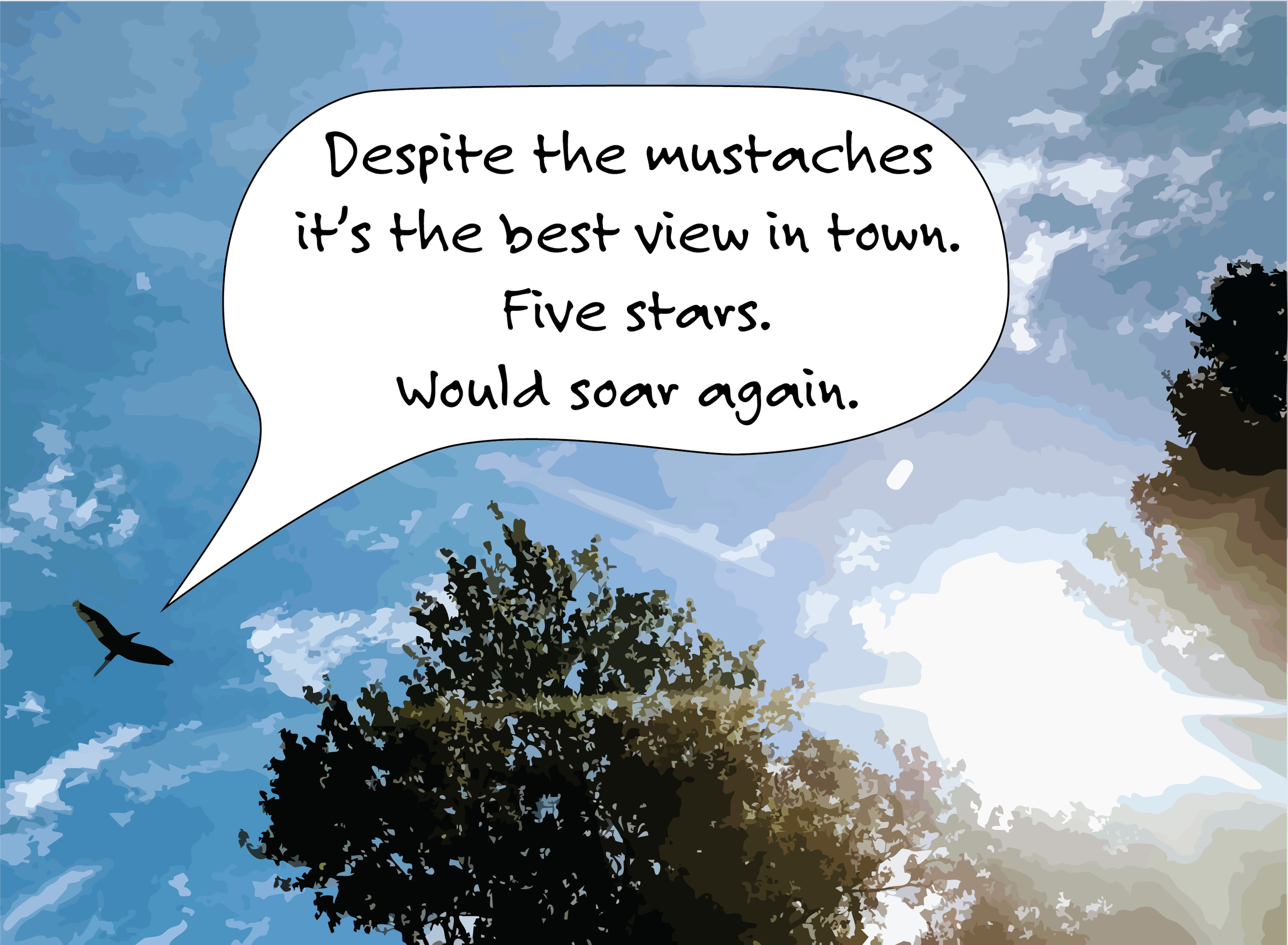
It had a hotel, a bathhouse, and probably a lot of mustaches. Over the years, the land changed hands multiple times and was used for hunting and logging before officially becoming a state park in 1970.
The spring’s glittery water, lush tropical hammocks, abundant wildlife, and scenic uplands have drawn hundreds of thousands of visitors annually for generations. Human, plant and animal.
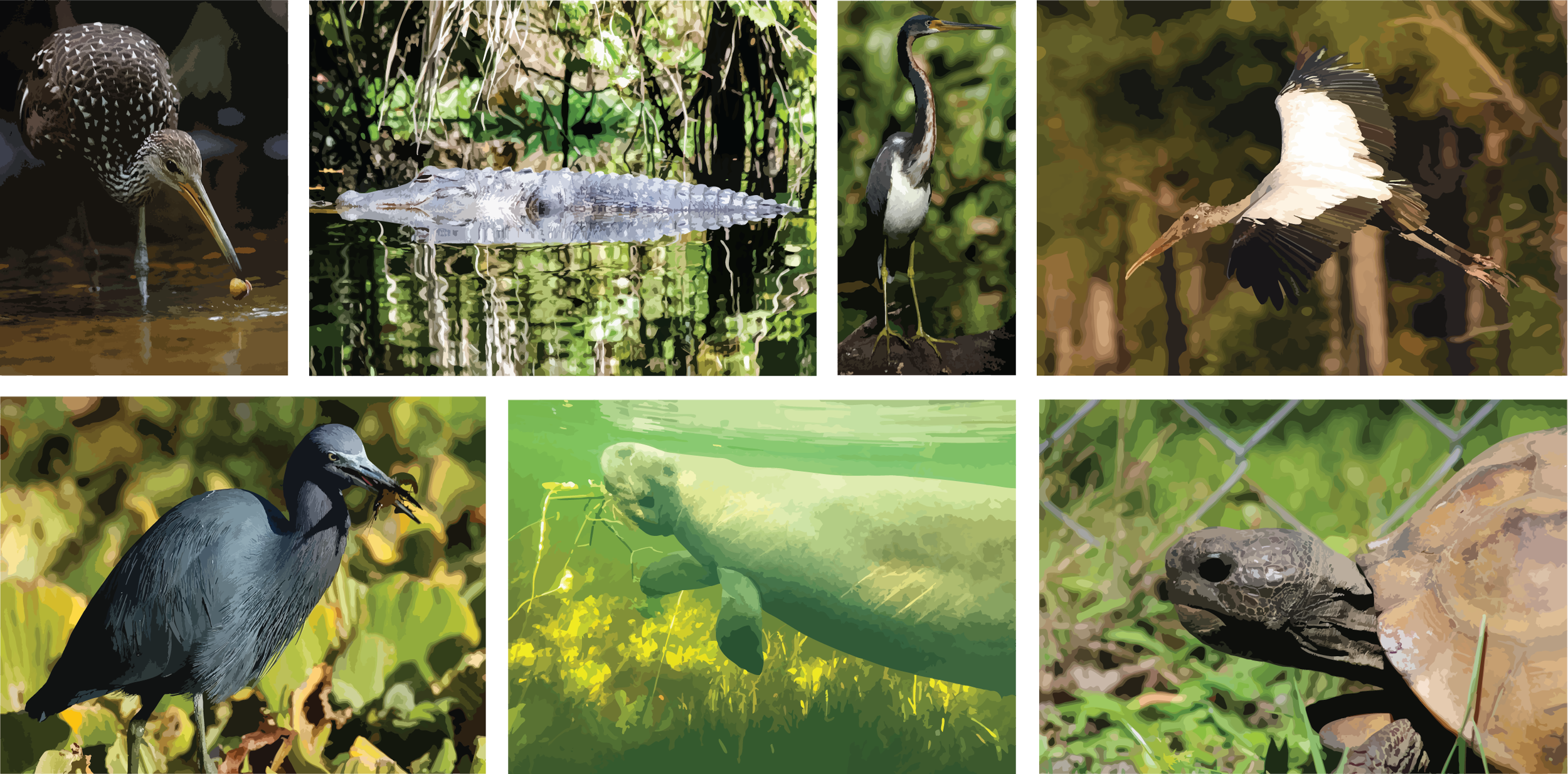
The Wekiva basin is surrounded by more than 100,000 acres of conservation land. This rich and diverse habitat is vital for wildlife, including endangered, threatened, and sensitive species. Among them are the American alligator, wood stork, little blue heron, tricolored heron, limpkin, bald eagle, gopher tortoise, manatee, needle palm,
several orchids and other rare plant species.
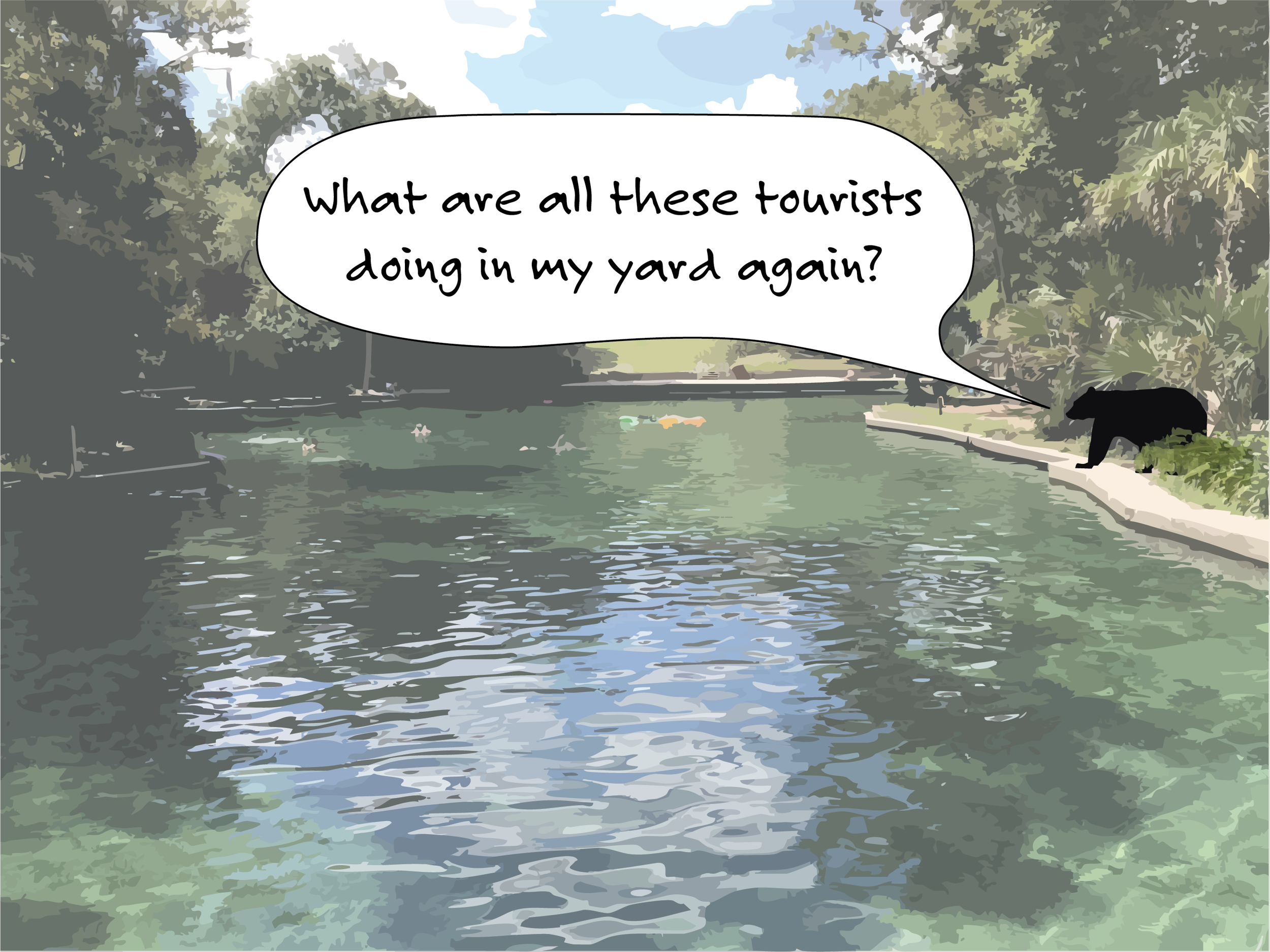
And Florida’s biggest black bear population, just casually roaming the place like it’s their backyard. Because it is.
The Wekiva is one of Florida’s most pristine waterways.
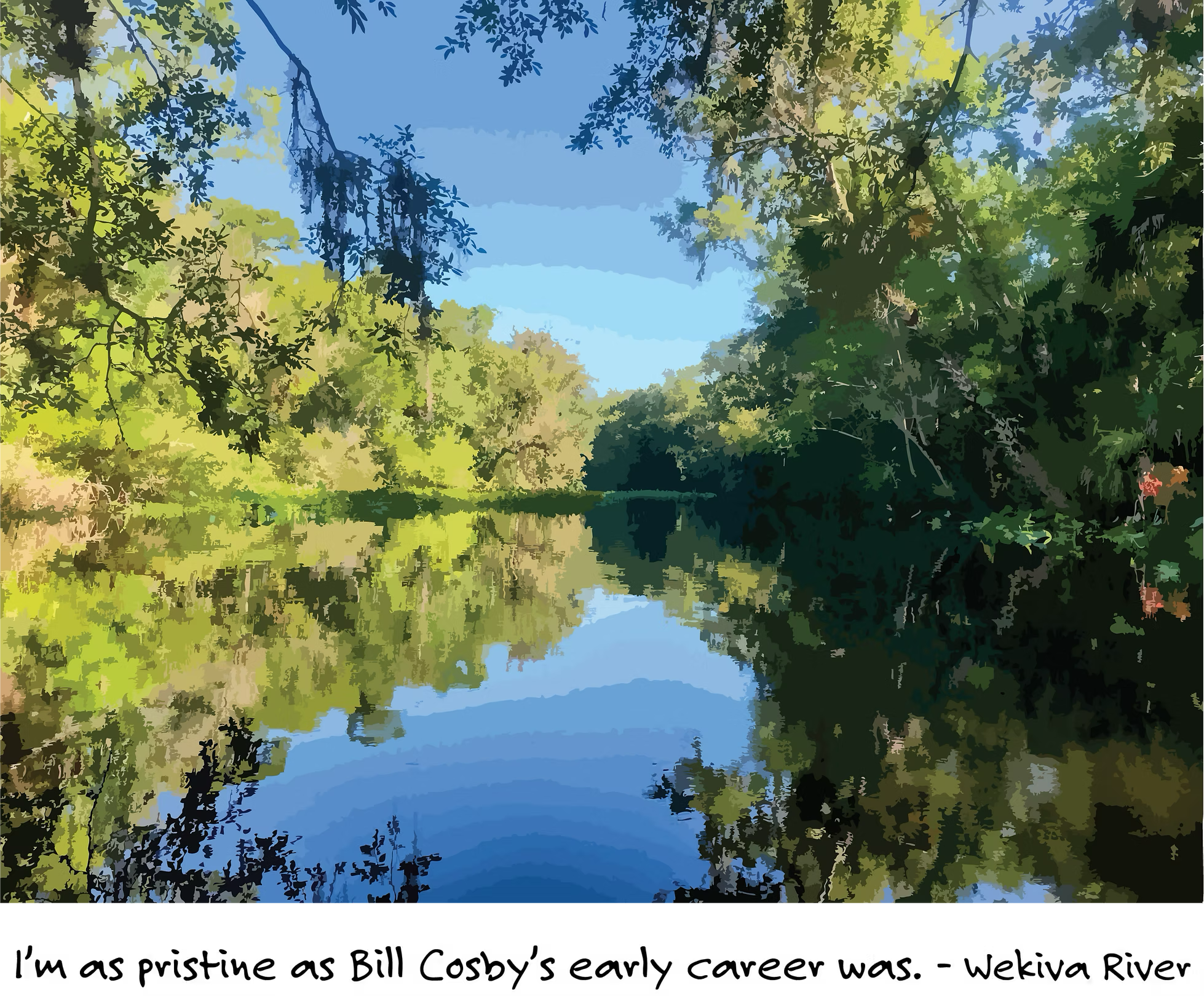
The Wekiva is so pristine that it has earned several impressive designations!
There are only a handful of rivers in the United States
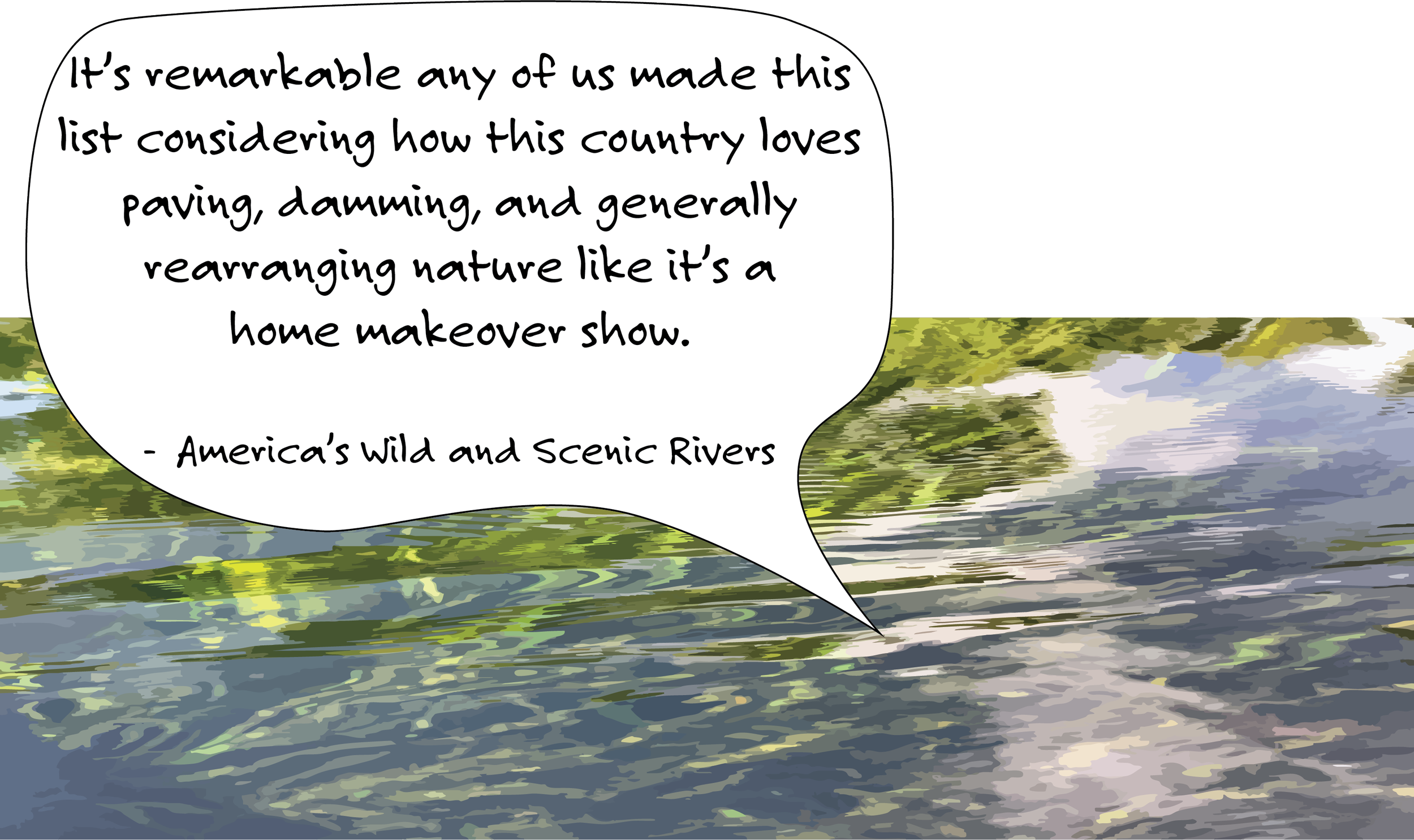
as pristine as the Wekiva River. So few that in 1968, Congress created the National Wild and Scenic River program to help protect the rivers that are still in a free-flowing condition for the enjoyment of present and future generations.
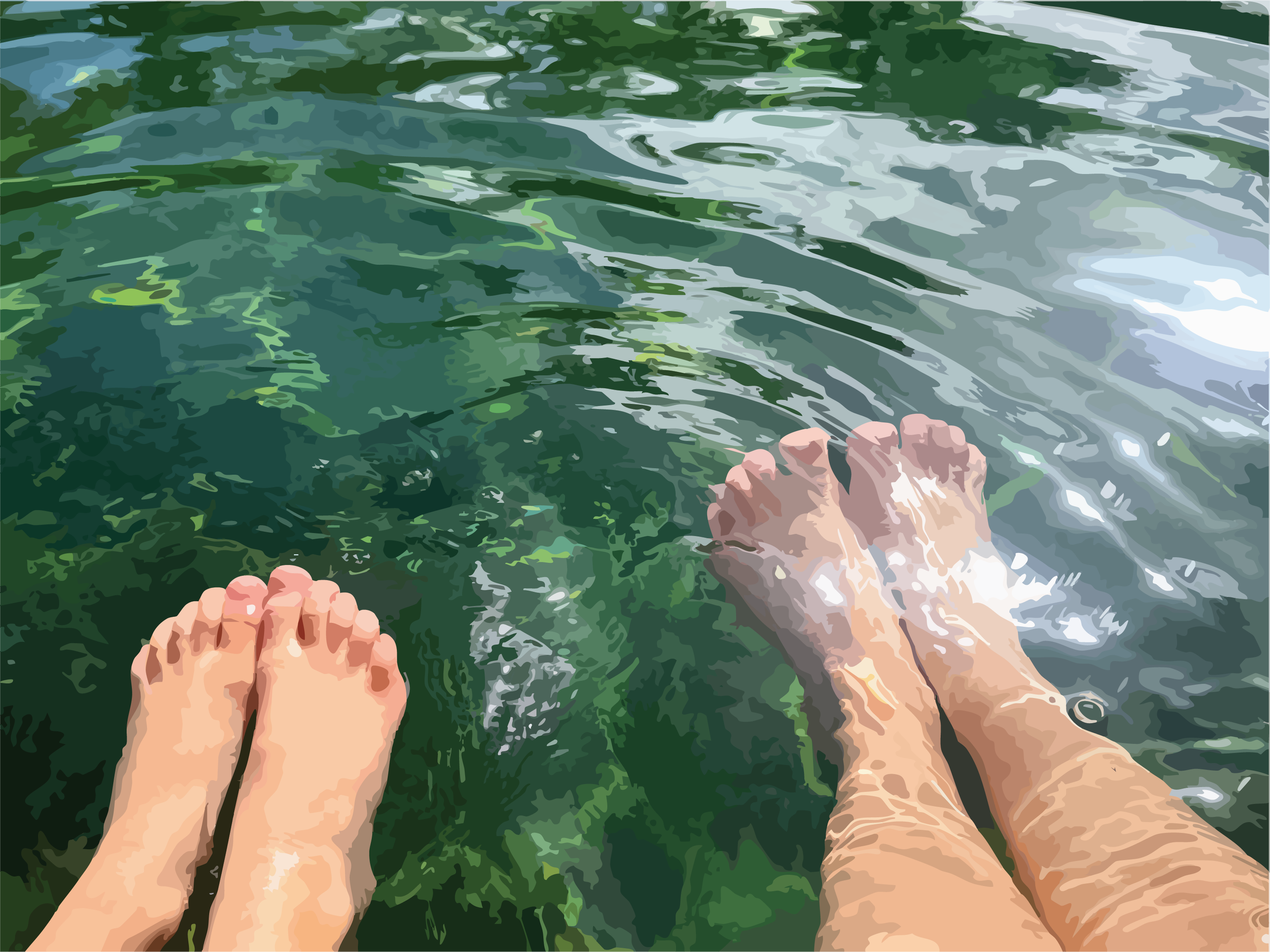
The Wekiva River system earned its special federal recognition of being a National Wild and Scenic River in 2000. Only 2 out of 1,700 rivers in Florida have that title.
(The other is the Loxahatchee River.)
There are 227 Wild and Scenic rivers in the nation.
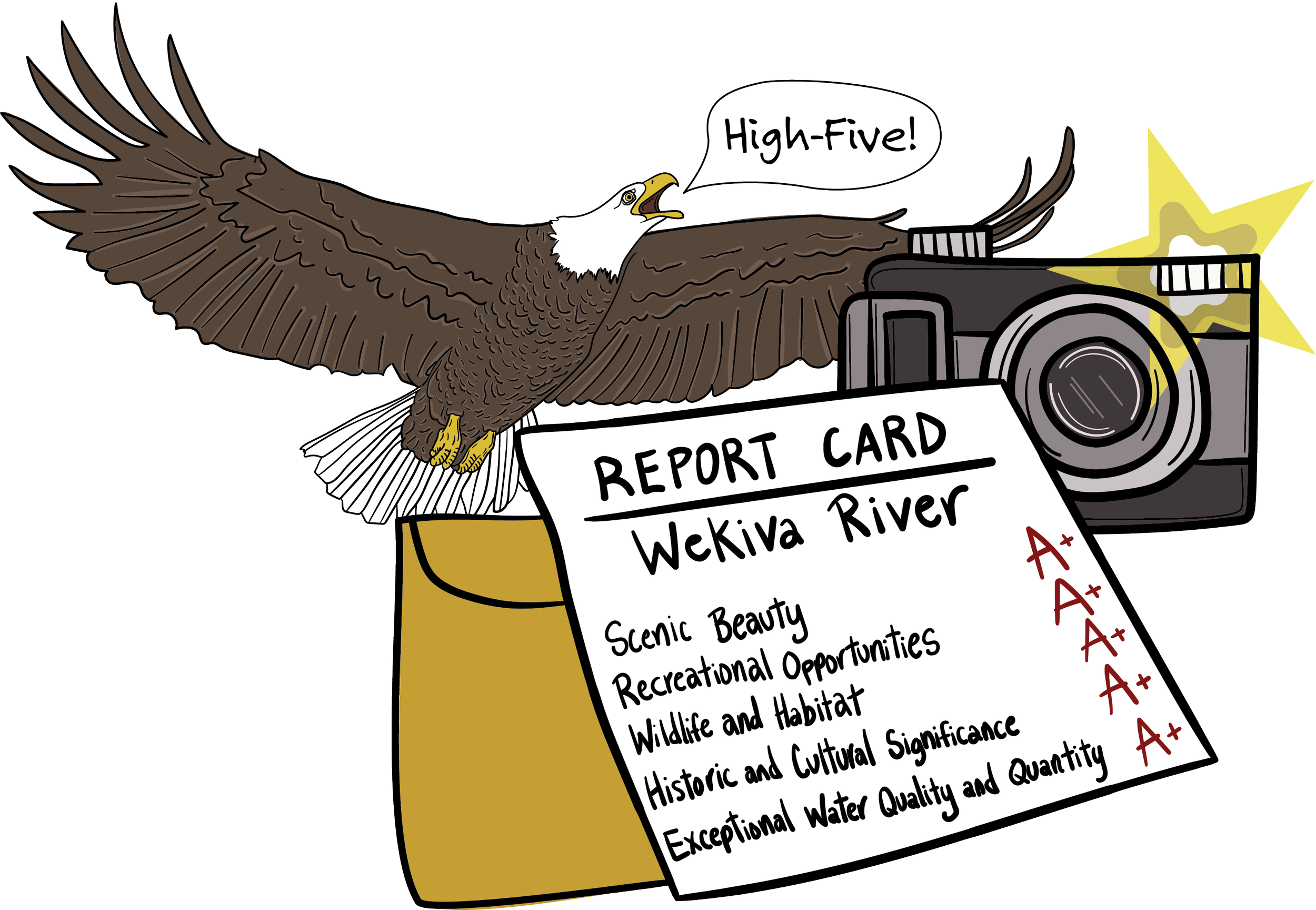
To qualify for designation under the National Wild and
Scenic Rivers System, a river must be free-flowing and
possess at least one Outstandingly Remarkable Value (ORV). The Wekiva River system has five. That’s right, the Wekiva didn’t just pass the test - it aced it, smiled for the camera, and high-fived a bald eagle on the way out.
In addition to being a federal Wild & Scenic River, the Wekiva has other designations, too:
Outstanding Florida Water
Florida Aquatic Preserve
Florida Canoe Trail
Various committees, along with state and local partners, are officially responsible for protecting and enhancing the Wekiva River’s ORVs.
These titles make the Wekiva
as protected as a Grandma's secret cookie recipe. At least they're supposed to...
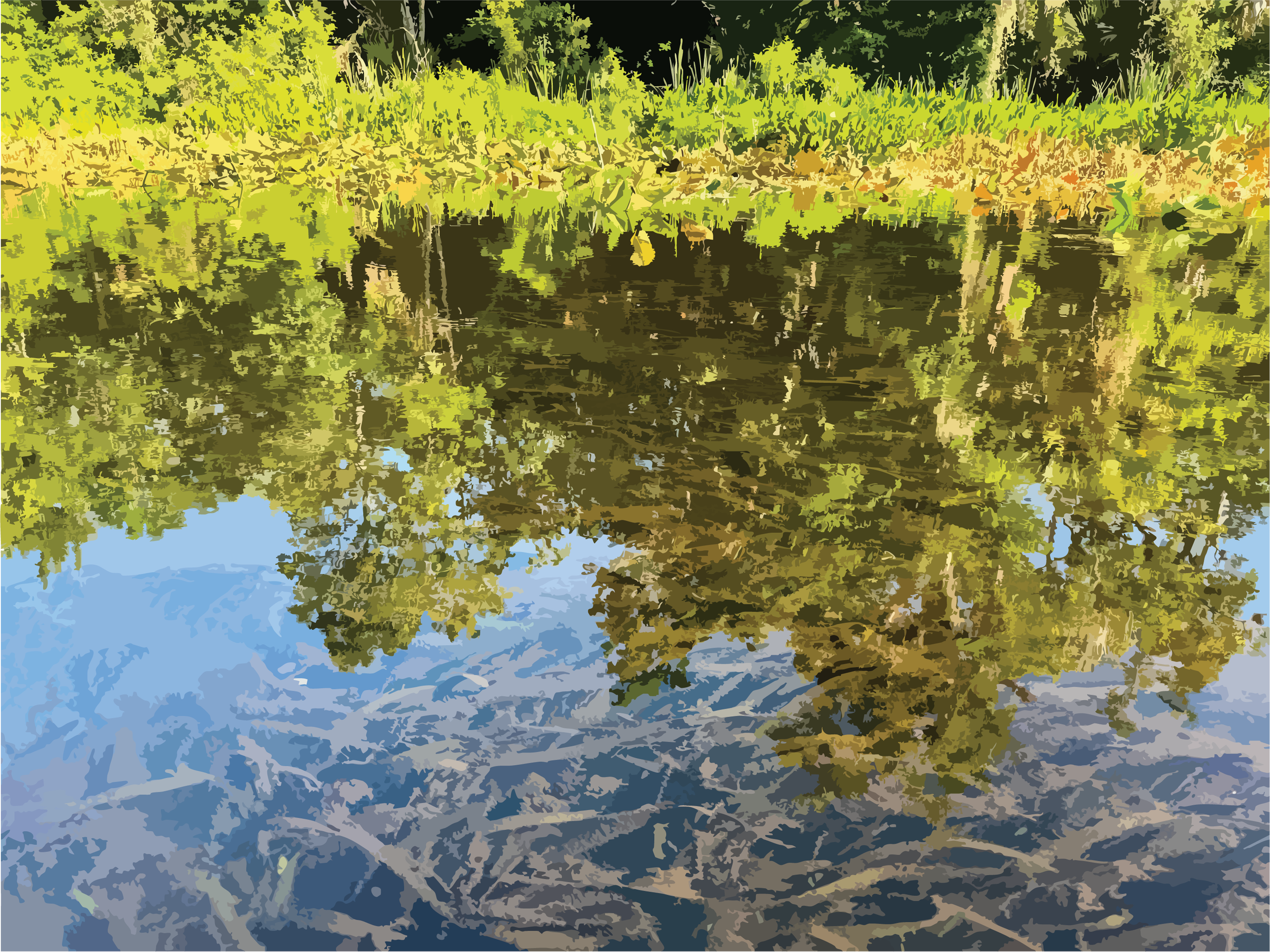
A pristine picture until you look closer.