Who We Are
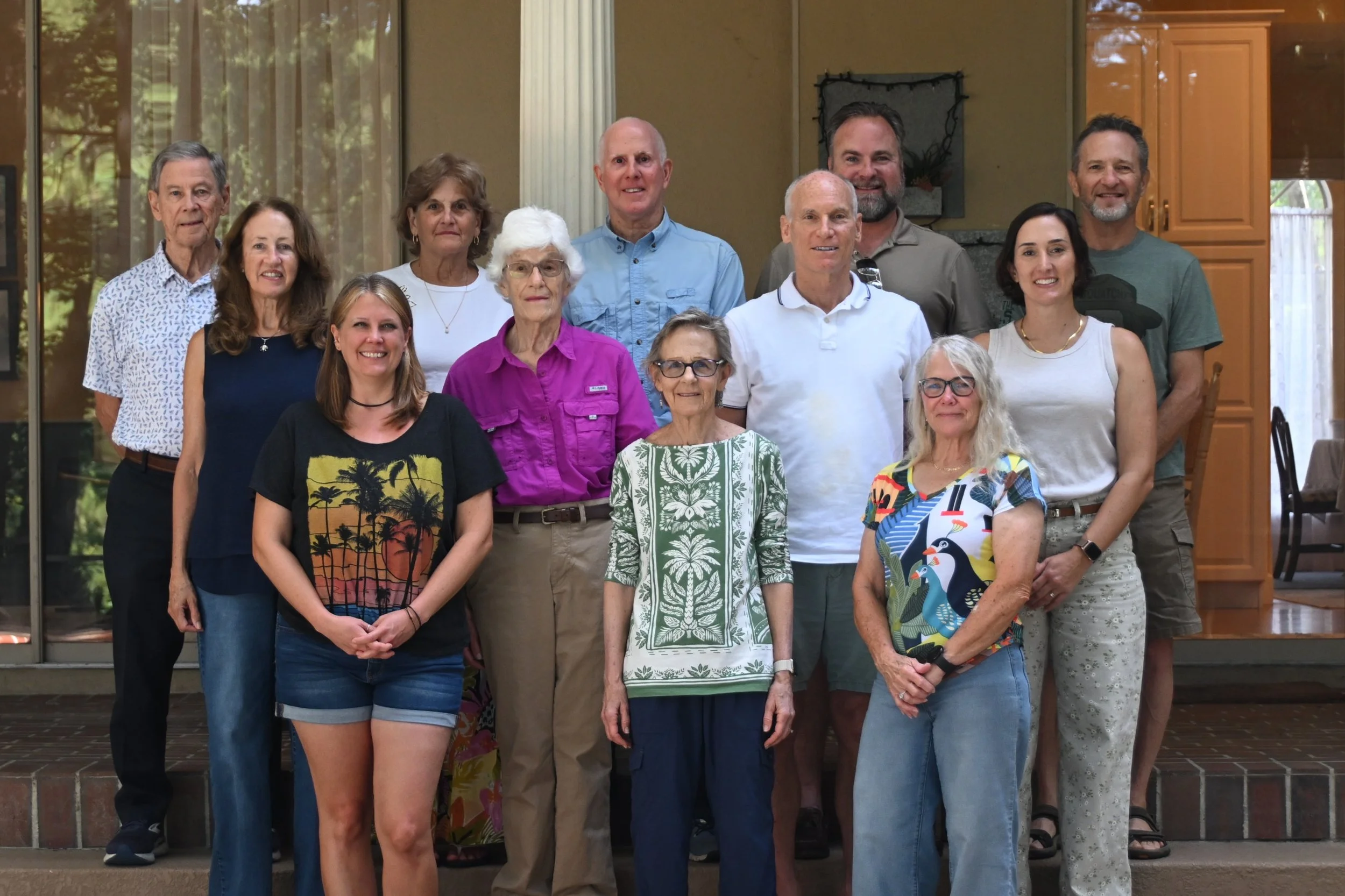
The Friends of the Wekiva River, Inc. is a citizen action group.
The founders began meeting informally in 1978, and the organization was chartered in 1982.
Our objectives are:
to promote and protect the aesthetic and recreational values of the Wekiva River system.
to protect the integrity of the Wekiva River Basin.
to work toward restoration and continuation of the river and its tributaries.
to carry out educational activities to the same end.
Our mission has never been to oppose growth per se, but to insist that growth is well planned and considers the long-term future of the basin, its resources, and the quality of life for future generations. We are opposed to growth that seeks only to satisfy the few with no consideration of the long-term impacts on the ecology of the river basin, its resources, and the citizens of the region as a whole.
The Wekiva River together with Wekiwa Springs Run, Rock Springs Run and Black Water Creek were designated by the United States Congress as a National Wild and Scenic River in October 2000.
Five Outstandingly Remarkable Values (ORVs) have been identified for the river system: scenic, recreation, wildlife and habitat, historic and cultural, and water quality and quantity.
In accordance with the Wild and Scenic Rivers Act, these ORVs, the river system’s free flow characteristics, and its immediate environment “shall be protected for the benefit and enjoyment of present and future generations” (section 1(b) Wild and Scenic Rivers Act). Unlike most rivers in the National Wild and Scenic River System that are managed exclusively by either a federal or state agency, the Wekiva River System is considered a “Partnership Wild and Scenic River.” This means that it is jointly managed by a consortium of local stakeholder groups, referred to as the Wekiva River System Advisory Management Committee (AMC) with oversight and coordination provided by the National Park Service (NPS).
For more information, visit: http://www.wekivawildandscenicriversystem.com/.
Mission Statement
The Friends of the Wekiva River (FOWR) is a 501 (c) (3) non-profit organization founded in 1982 to preserve the beauty and natural functions of the Wekiva River system.
As stated in our bylaws, our mission and purpose are as follows:
To promote and protect the unique environment and recreational values of the Wekiva River and its tributaries. We accomplish this mission through educational opportunities, engagement with policy makers, and partnerships with sister organizations on shared goals.
Our Board Vision
Continuing the legacy of bringing talented friends together to build partnerships and inspire the future protection of our beloved Wekiva Basin.
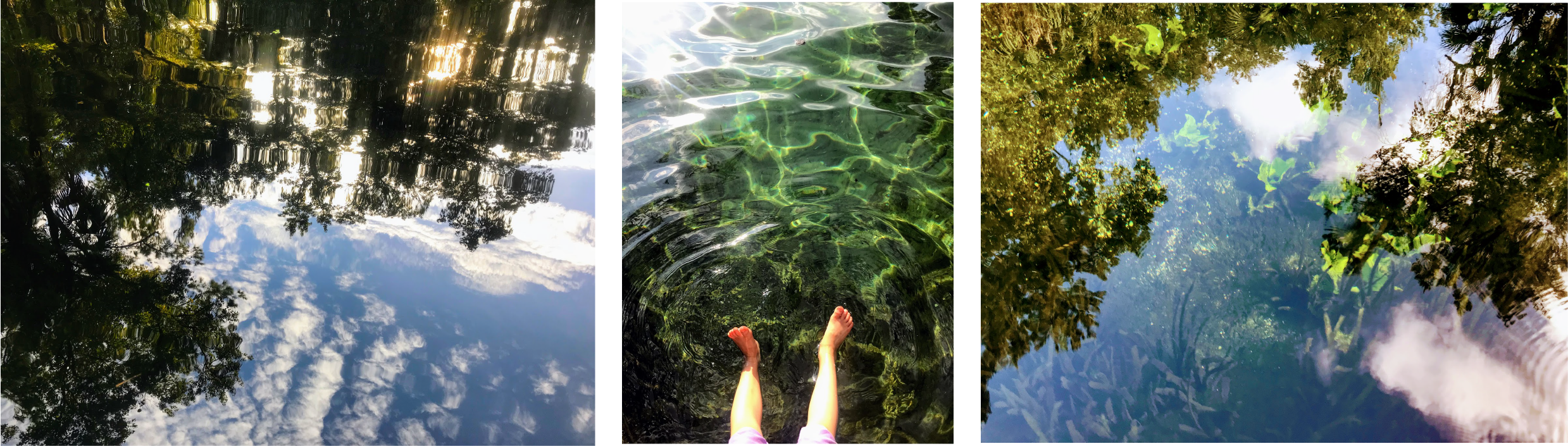
What are the best things about the Wekiva River basin? See what the FOWR team has to say:
Officers
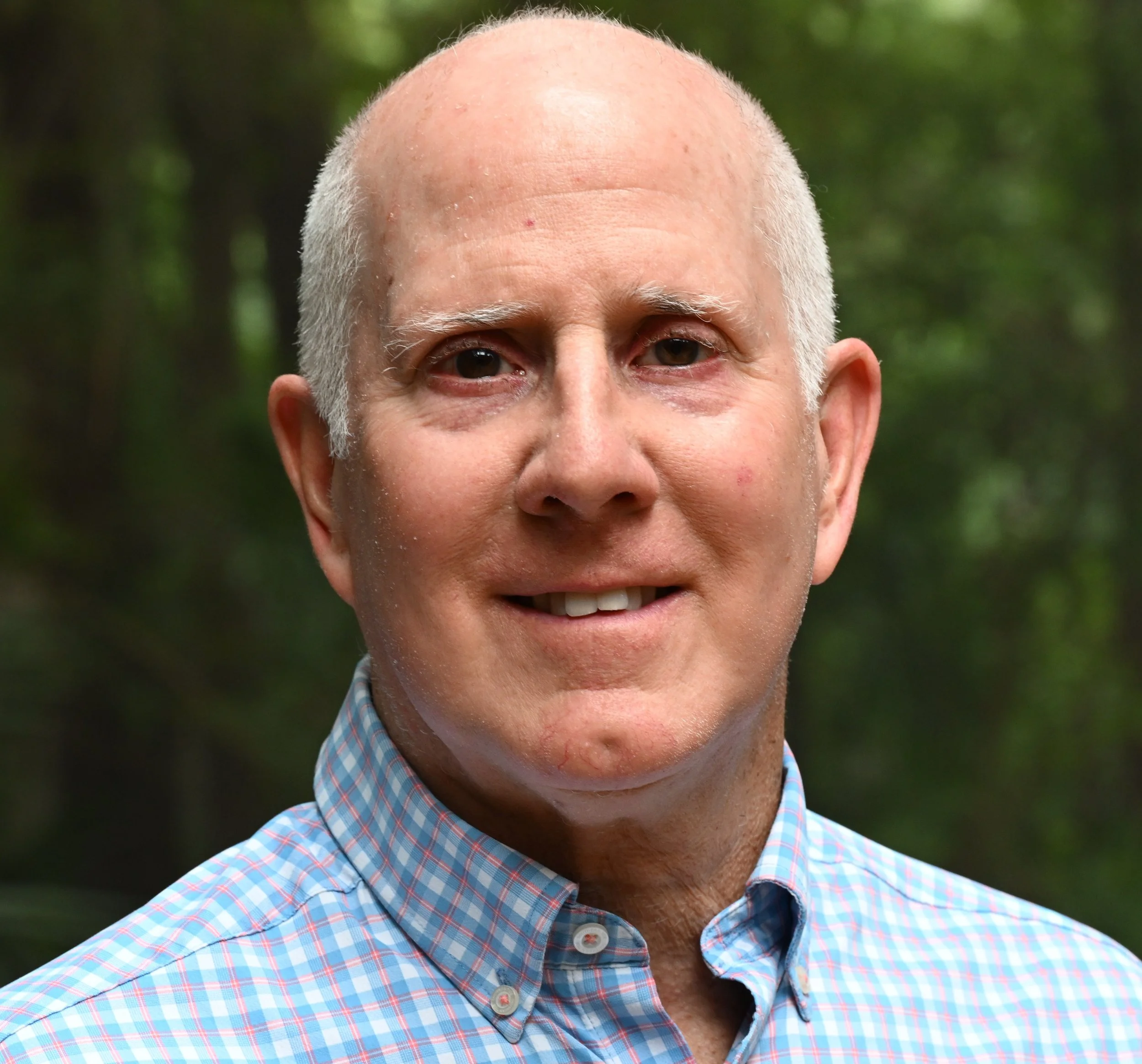
Technical Advisors
Val Hahn - “The best thing about the Wekiva River is the people who fight for it.”
Mike Martin - “Canoeing and kayaking on the Wekiva; the wonderful green space.”
John VanBergen - “Quote quote quote.”
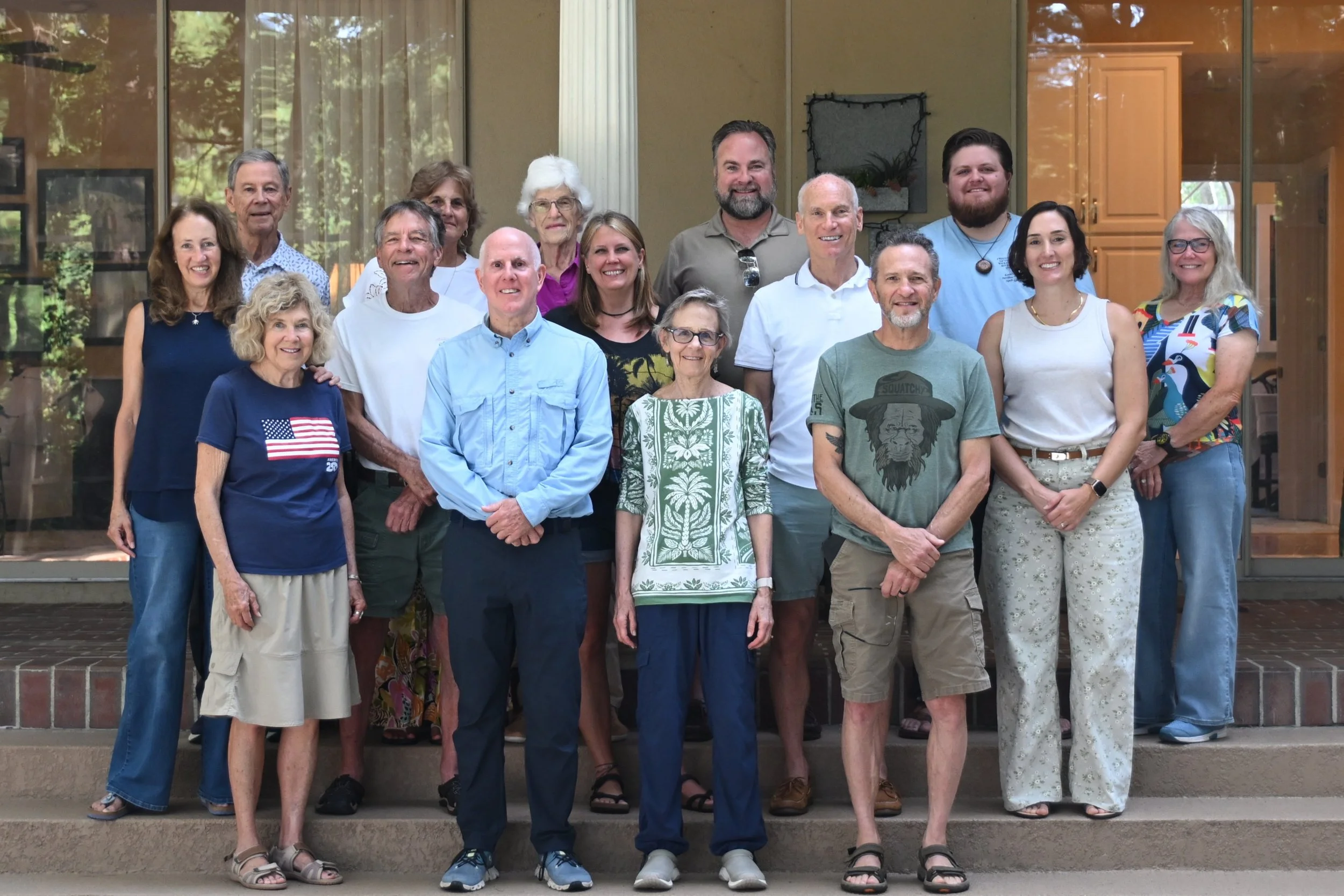


Emeritus Board Members
Julie Fisher
Bob Giguere
Fred Harden
Pat Harden
Faith Jones
Mary McKey
Katie Moncrief
Steve Phelan
John Parker
Deede Sharpe
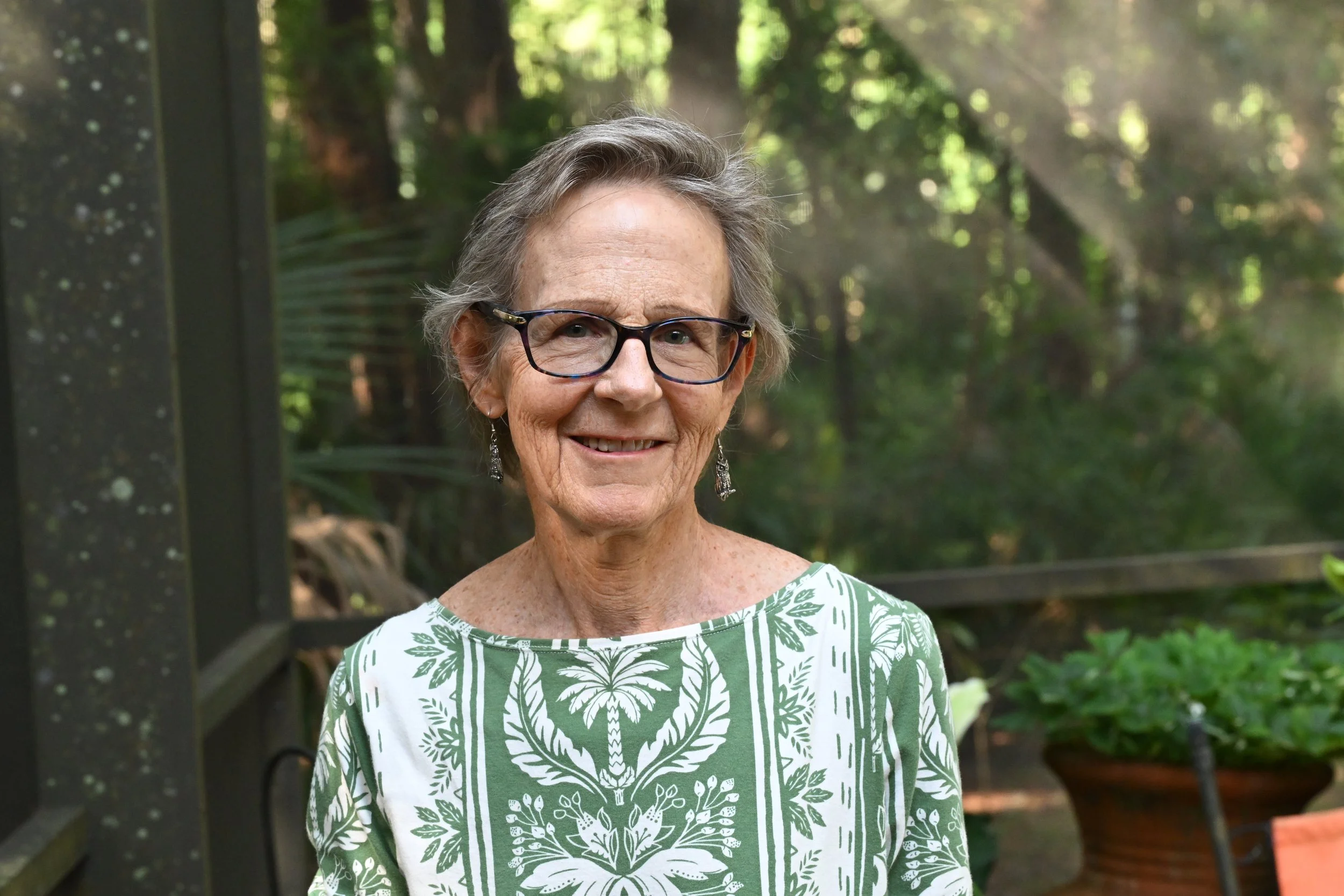
Jeanette Schreiber - Vice President
“Opportunity to retain and be in old Florida; opportunities to be in nature; tranquil beauty; habitat for many beings.”
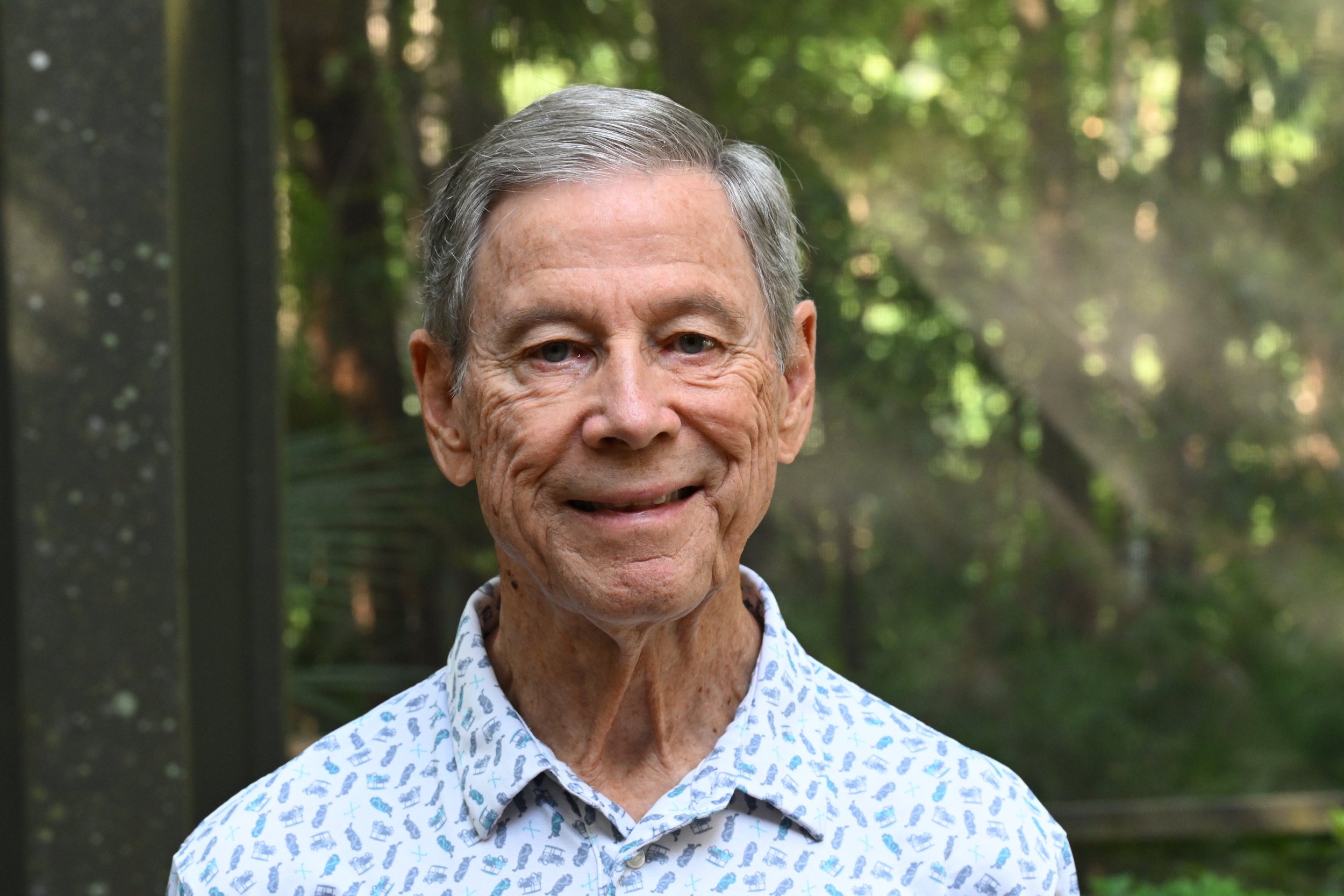
Mike Cliburn- Treasurer
“Wildlife; natural setting.”
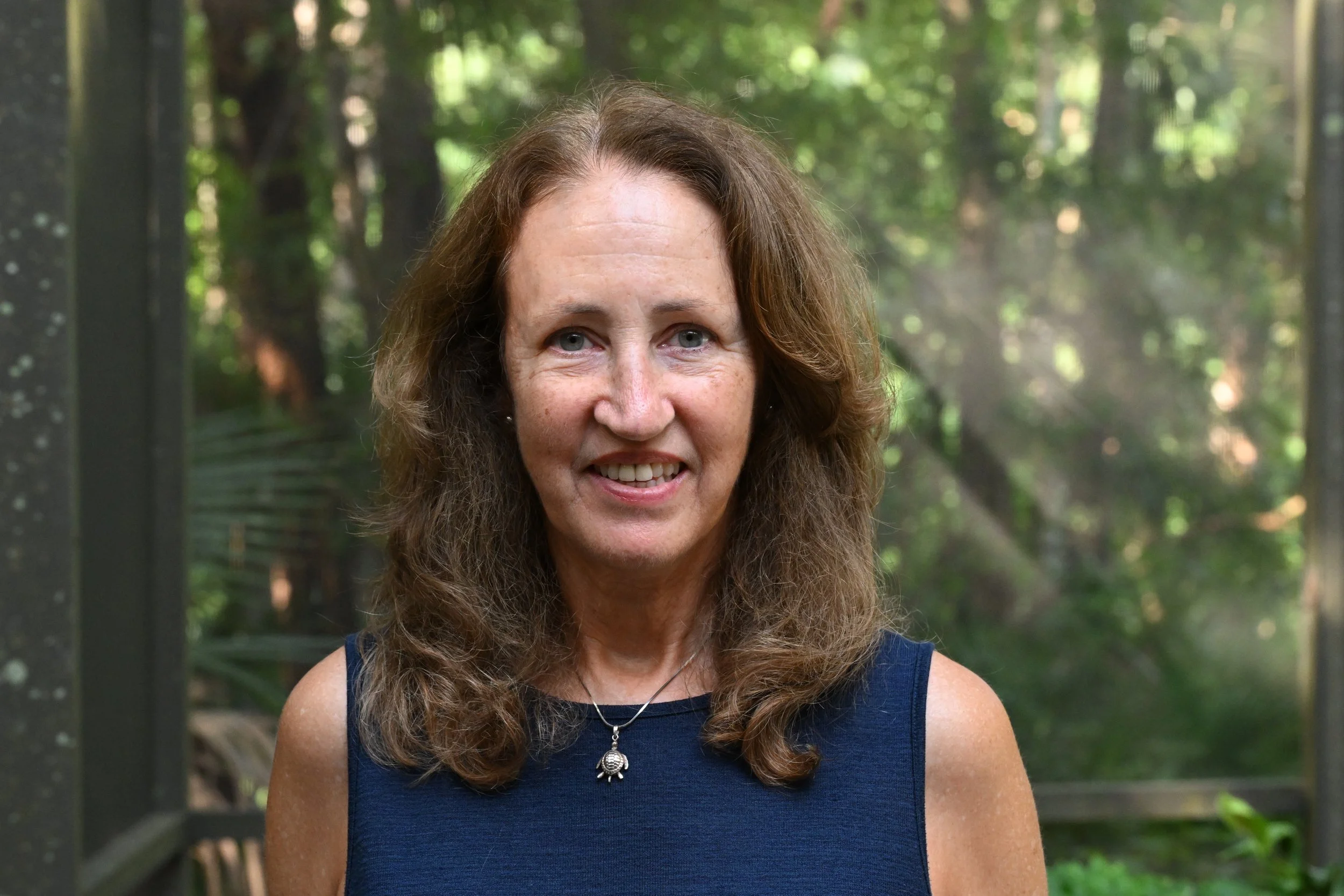
Camille Hiltz- Treasurer
“Clear beautiful water; wildlife.”
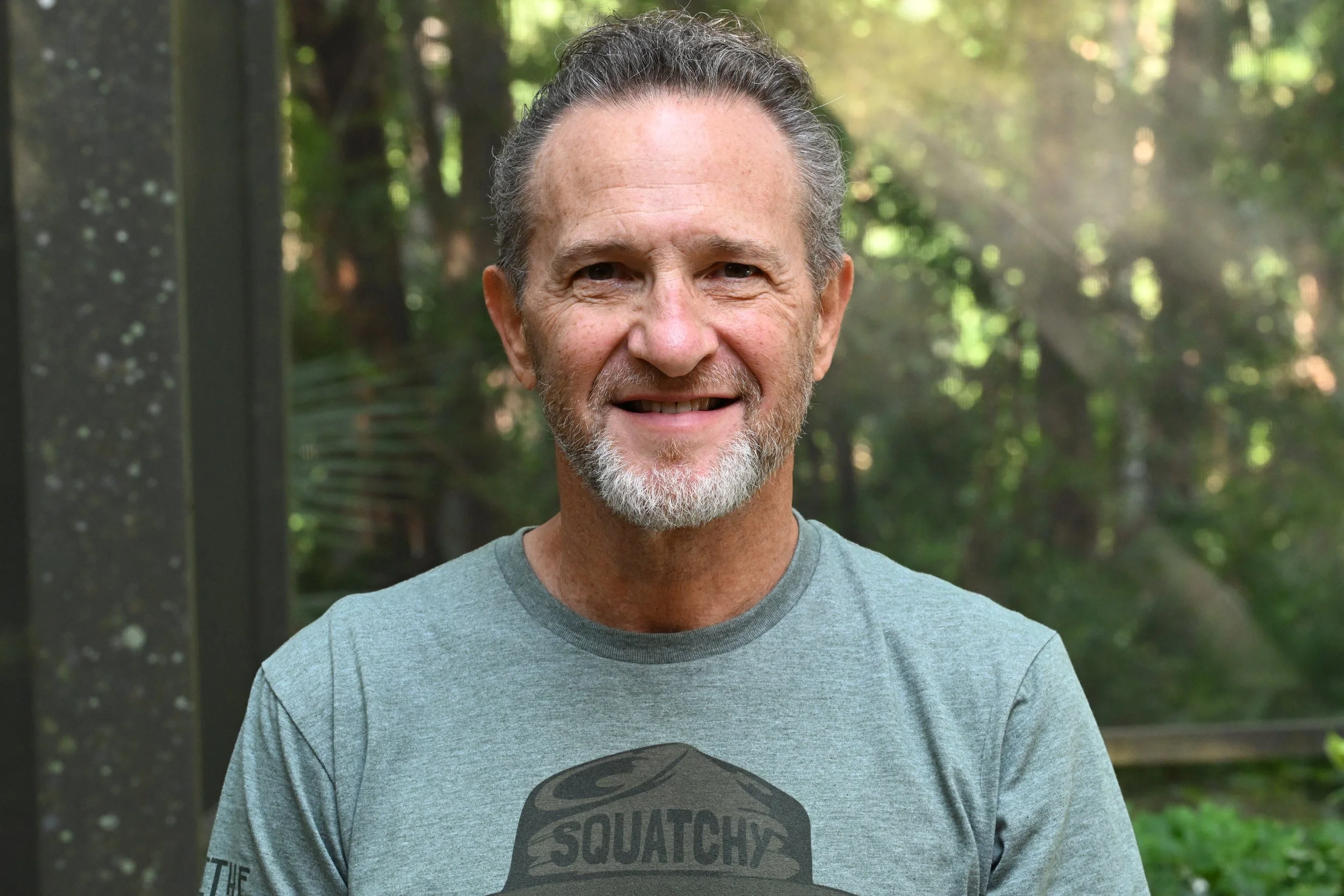
Mark Pafford- Treasurer
“Quote quote quote.”
Board Members
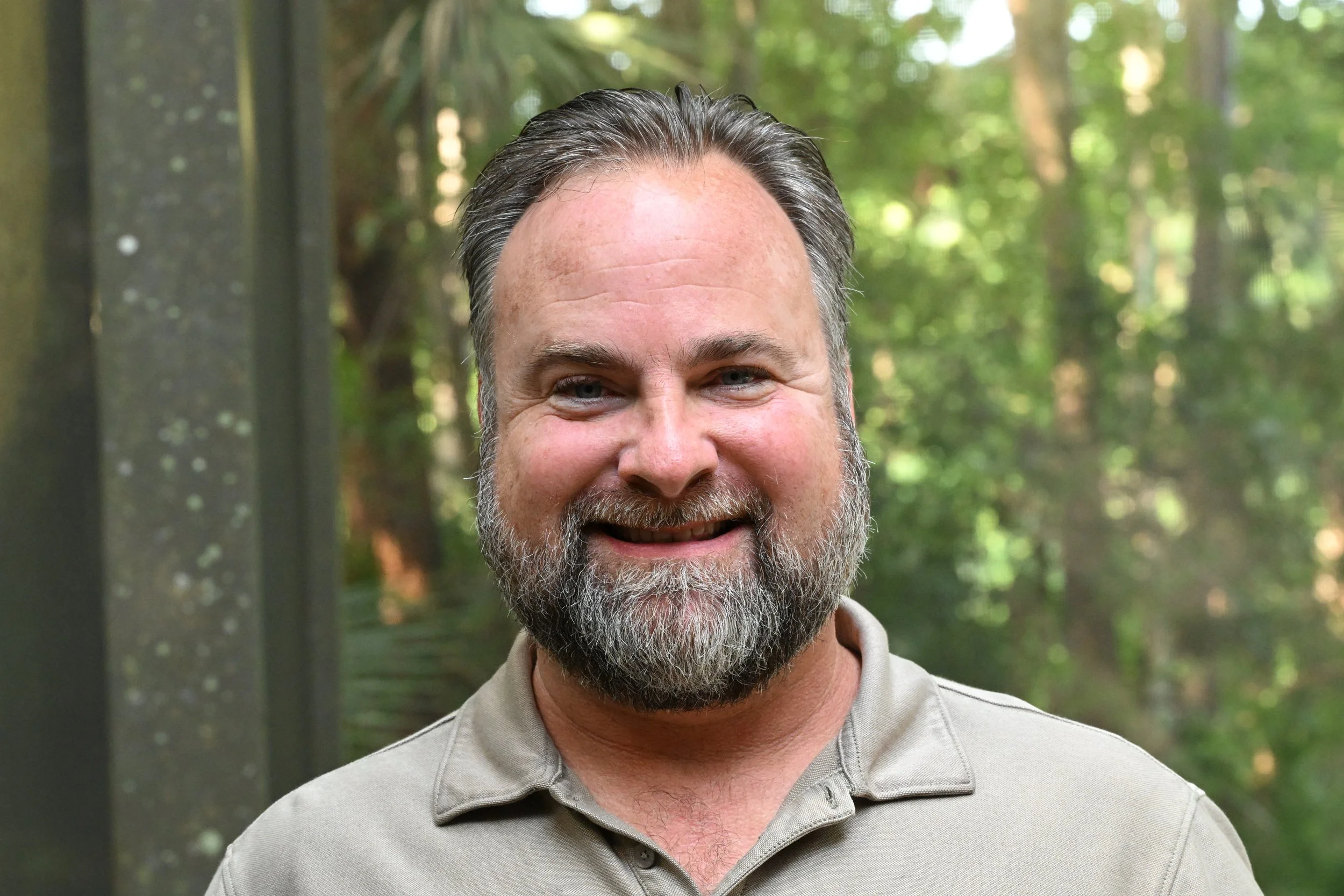
Kenny Bevan
“Reflecting grace; refreshing spirit; serene adventure.”
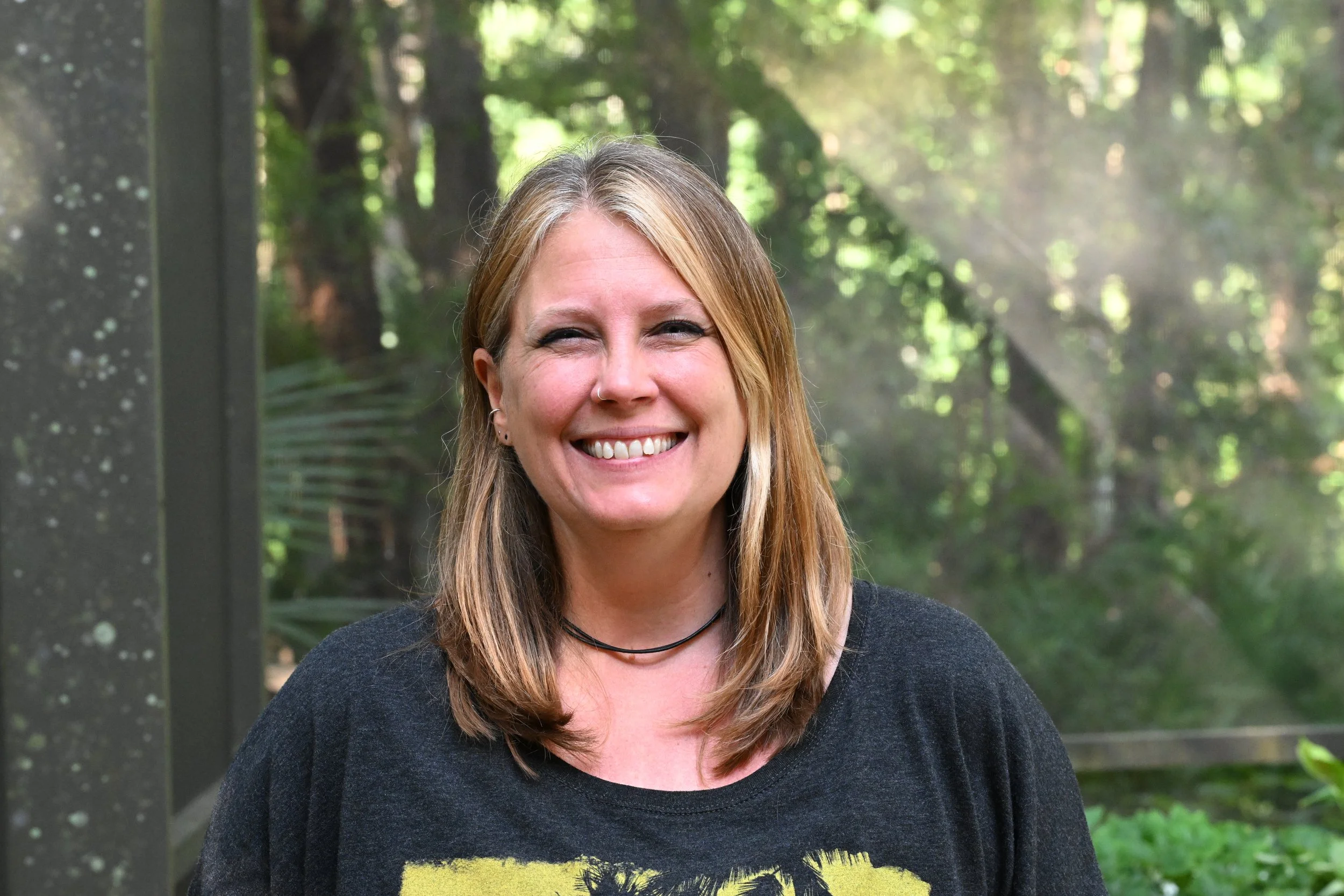
Dusty Eden
“Quote quote quote.”
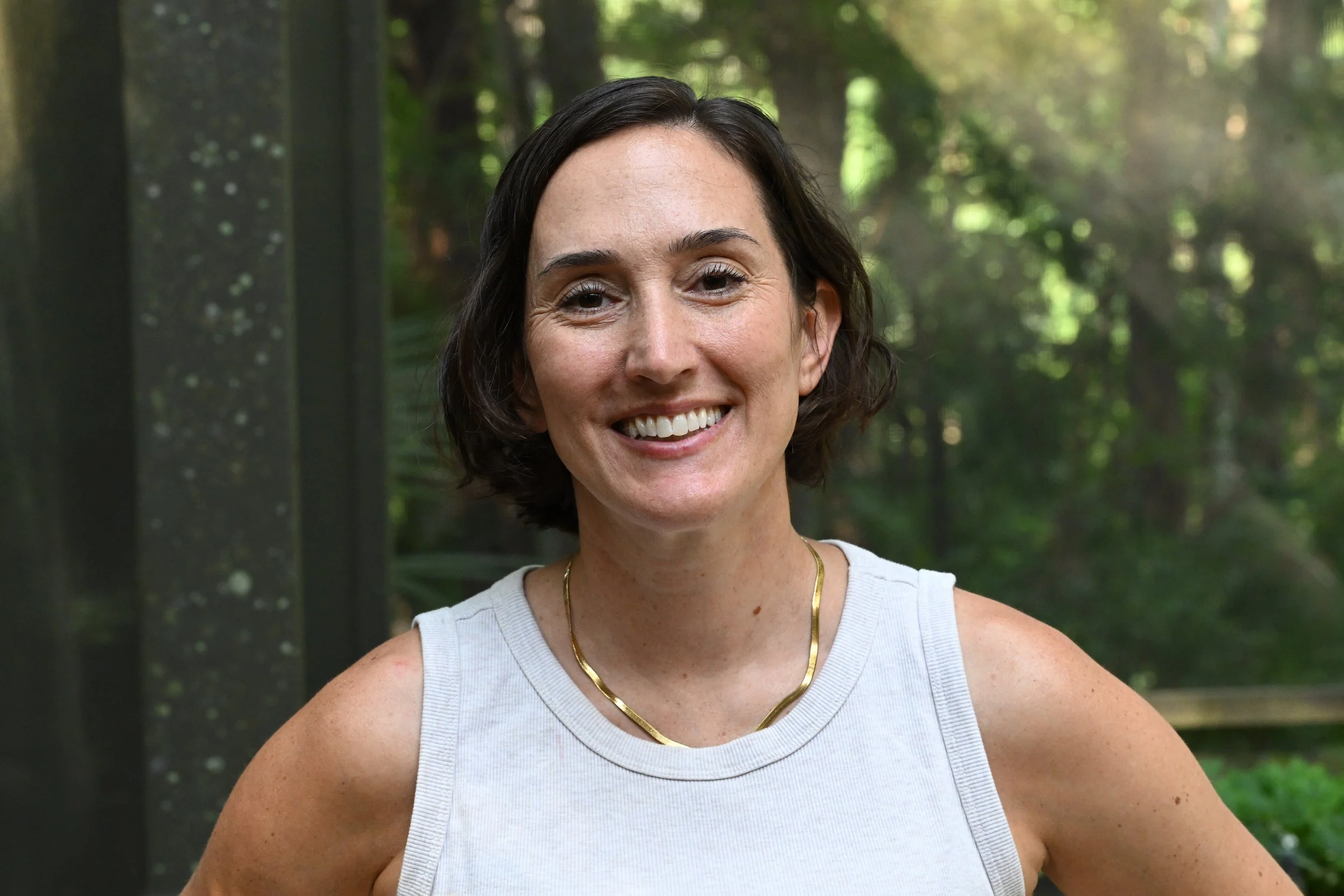
Michelle Jamesson
“Biodiversity in our backyards; wild and scenic for sure.”
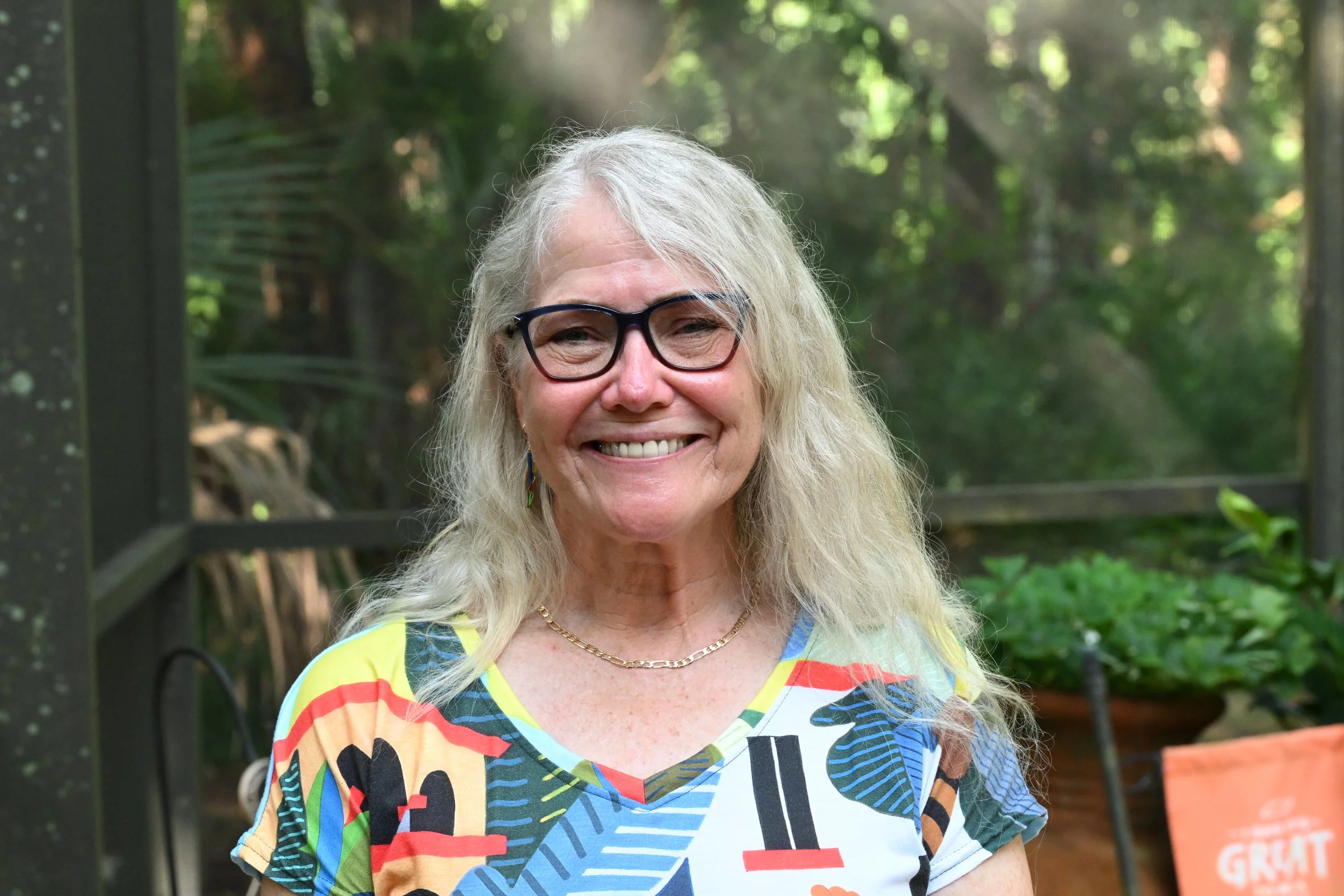
Cassie McDaniel
“Beauty, uniqueness, the way it brings people together.”
Cindy Newton
“The abundance of wildlife; wellness - peaceful regeneration.”
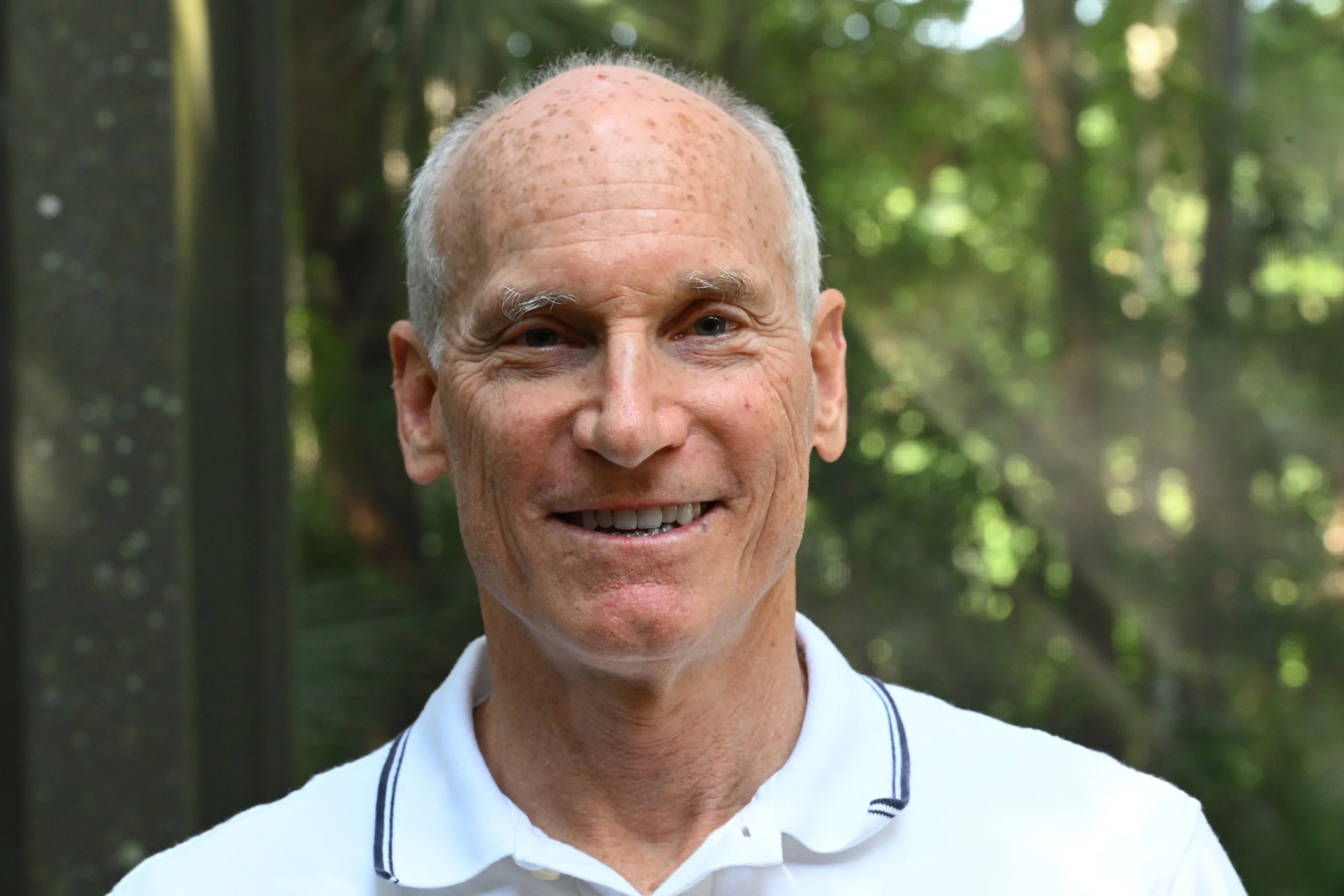
John Pottinger
“The relative lack of development and relative extent of land/habitat preservation.”
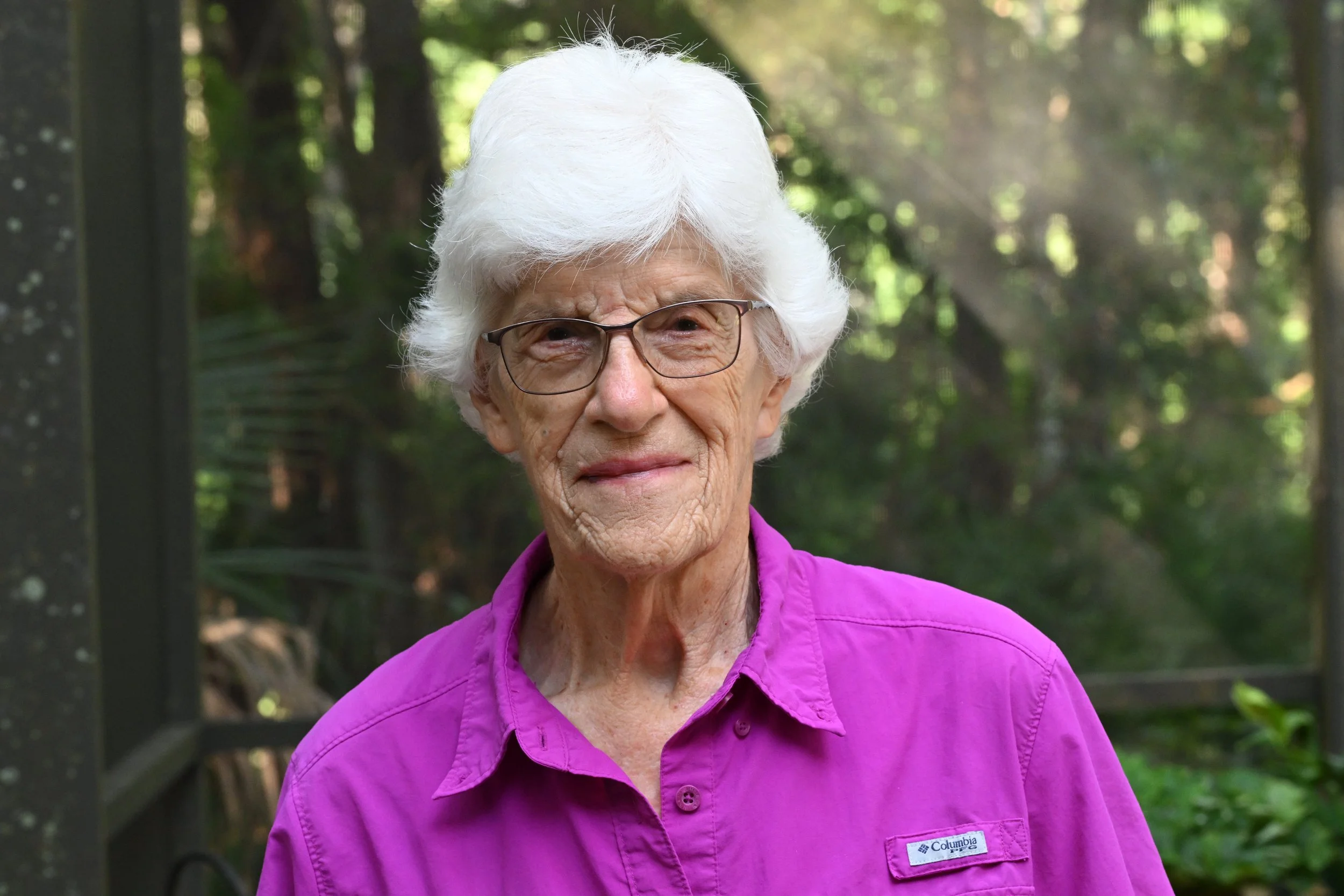
Nancy Prine
“Opportunity to use as an example of Florida’s natural environment for education”
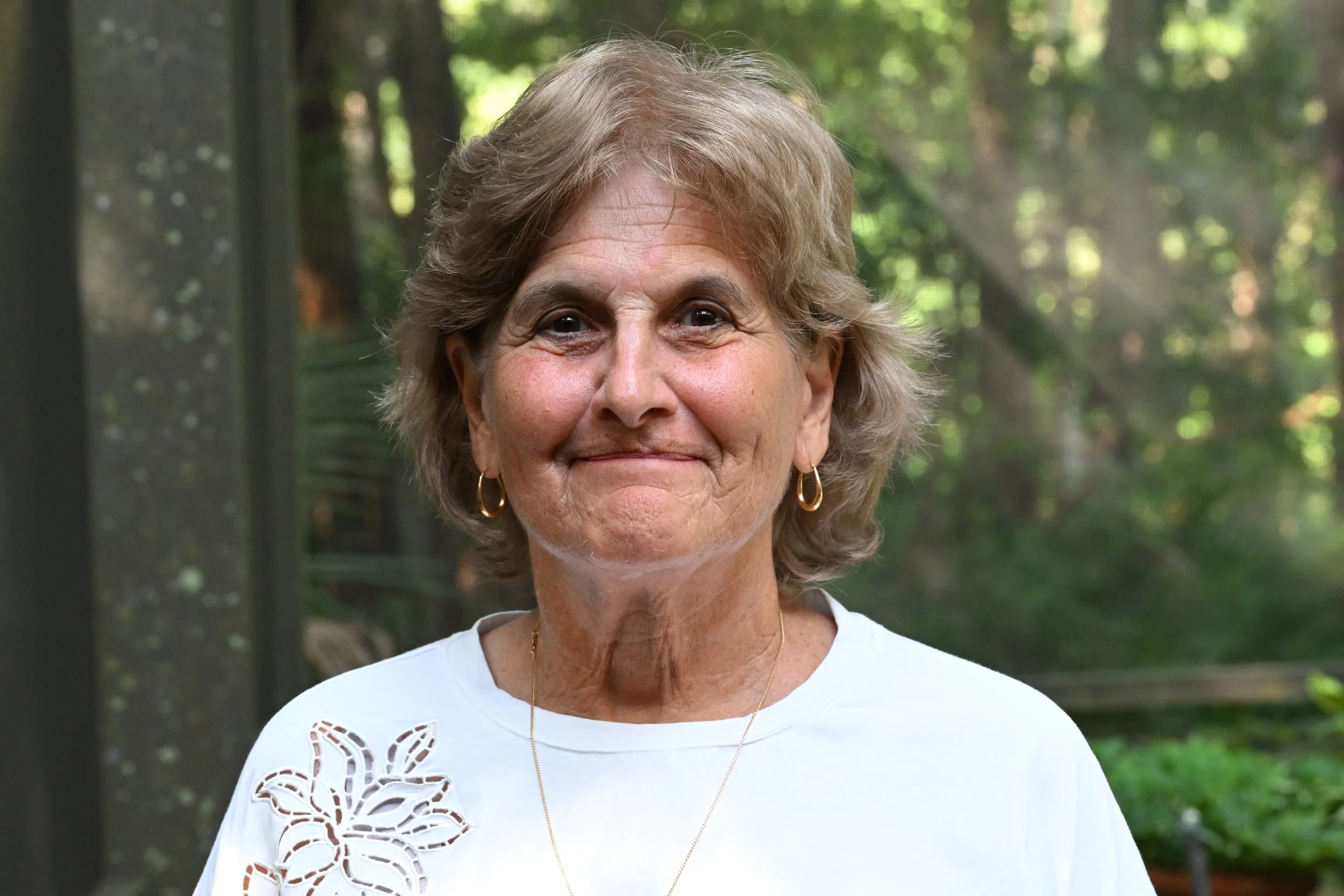
Nancy Rudner
“Natural environment and the river.”