By Michelle Jamesson
Part 2: Despite many titles and efforts, the Wekiva River is in trouble. There are 3 big problems facing the Wekiva…
(Did you miss Part 1? Read it here!)
Problem #1
Water Flow Levels
Springs and rivers may seem all carefree and go-with-the-flow, but even they have standards. Like, for real. They have measurable flow rates, usually measured in cubic feet per second. Like a speedometer, but for nature.
Each spring or river has a specific flow range considered safe, known as Minimum Flows and Levels, or MFLs. These benchmarks help ensure that water bodies remain healthy and sustainable.
It's basically the river system's 'do not dip below this line' rule. The bare-minimum combo of flow rate, depth, and duration needed to keep wetlands and aquatic ecosystems thriving. Algae, plants, invertebrates, fish, birds, and mammals all count on stable MFLs.
Regulatory agencies are tasked with monitoring these flows and ensuring groundwater pumping and other disruptions don’t push levels below the safe MFLs.
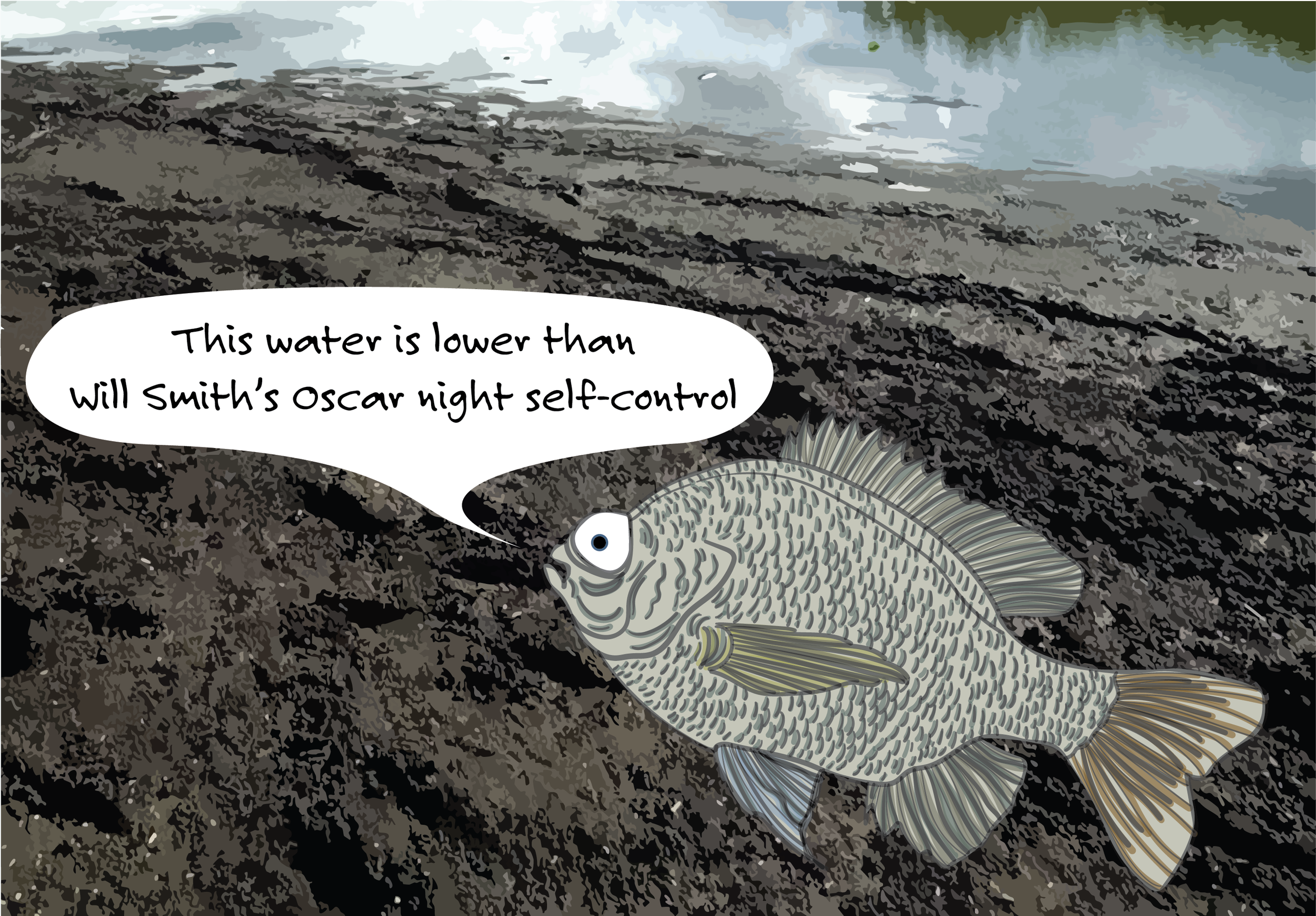
It helps keep rivers from turning into sad puddles with fish side-eyeing us in judgment.
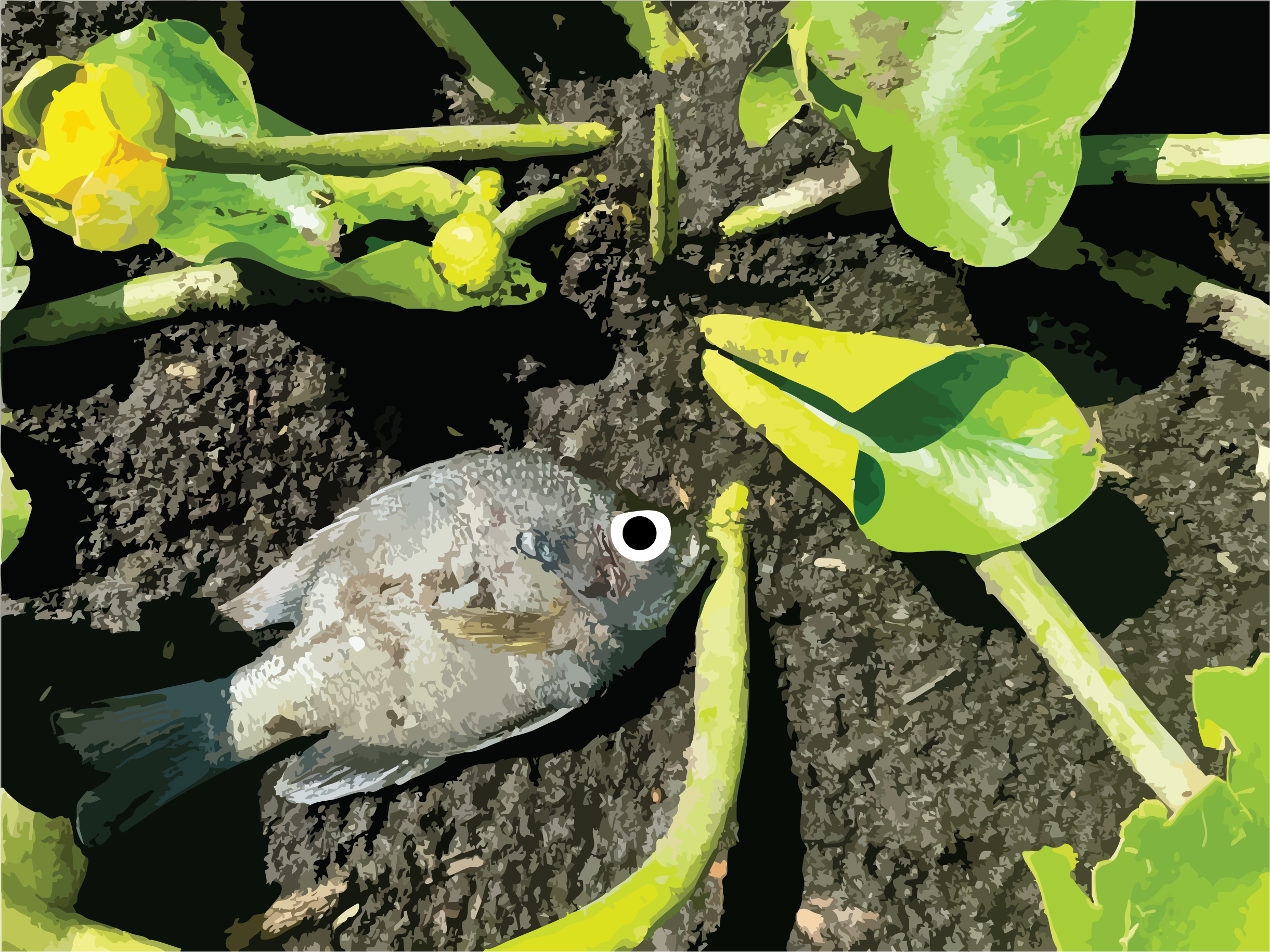
In 2016 a law was enacted requiring Florida’s Department of Environmental Protection to protect springs by preventing groundwater withdrawals that could cause harm.
However, the current regulations are falling short.
Despite the river’s legal protections, significant damage is already occurring. Habitat loss has reached 15%, and the health of the springs continues to decline.
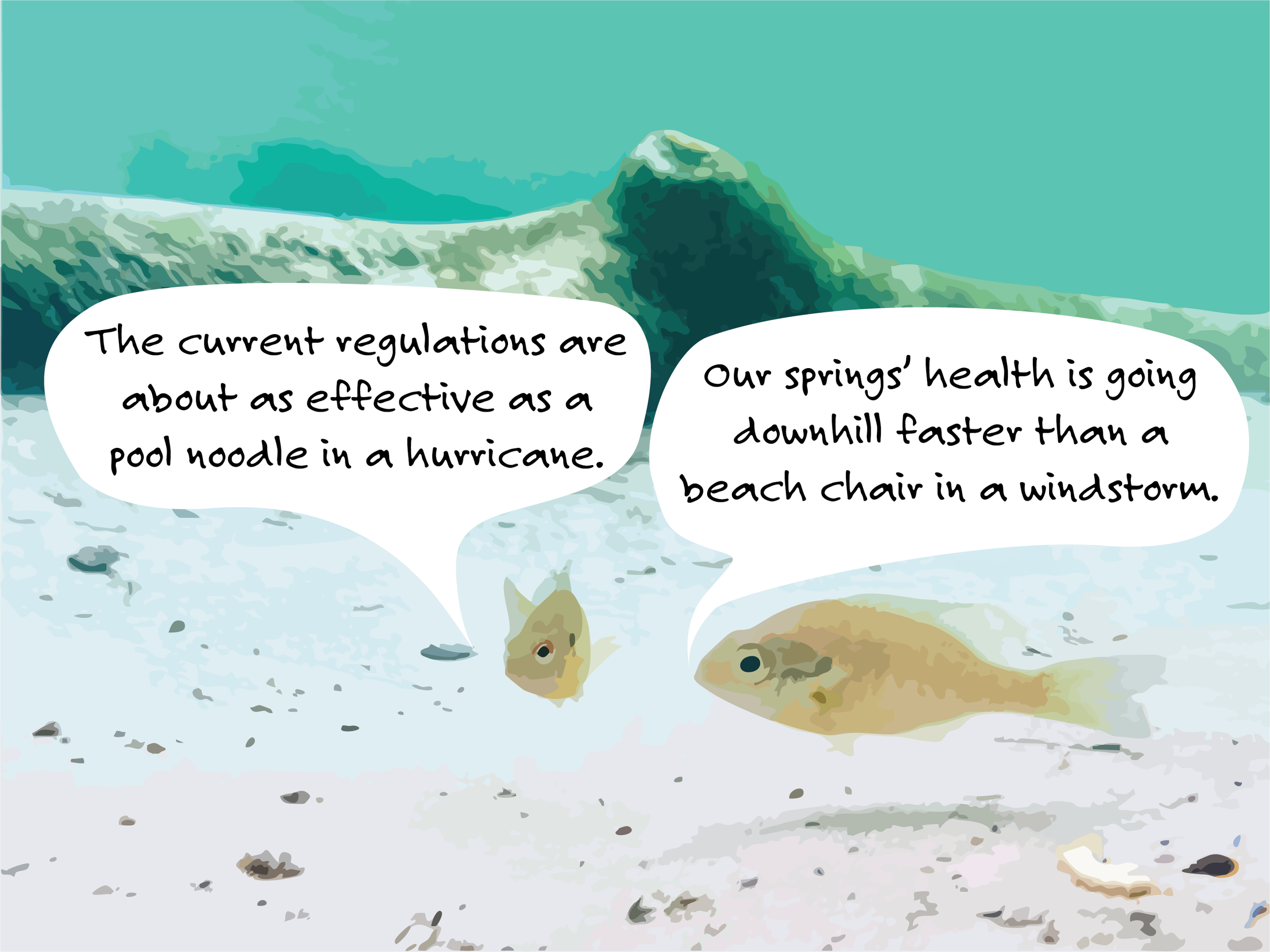
About 2 million people live within 30 miles of the Wekiva River system, and Orlando is growing faster than a rumor at a family barbecue.
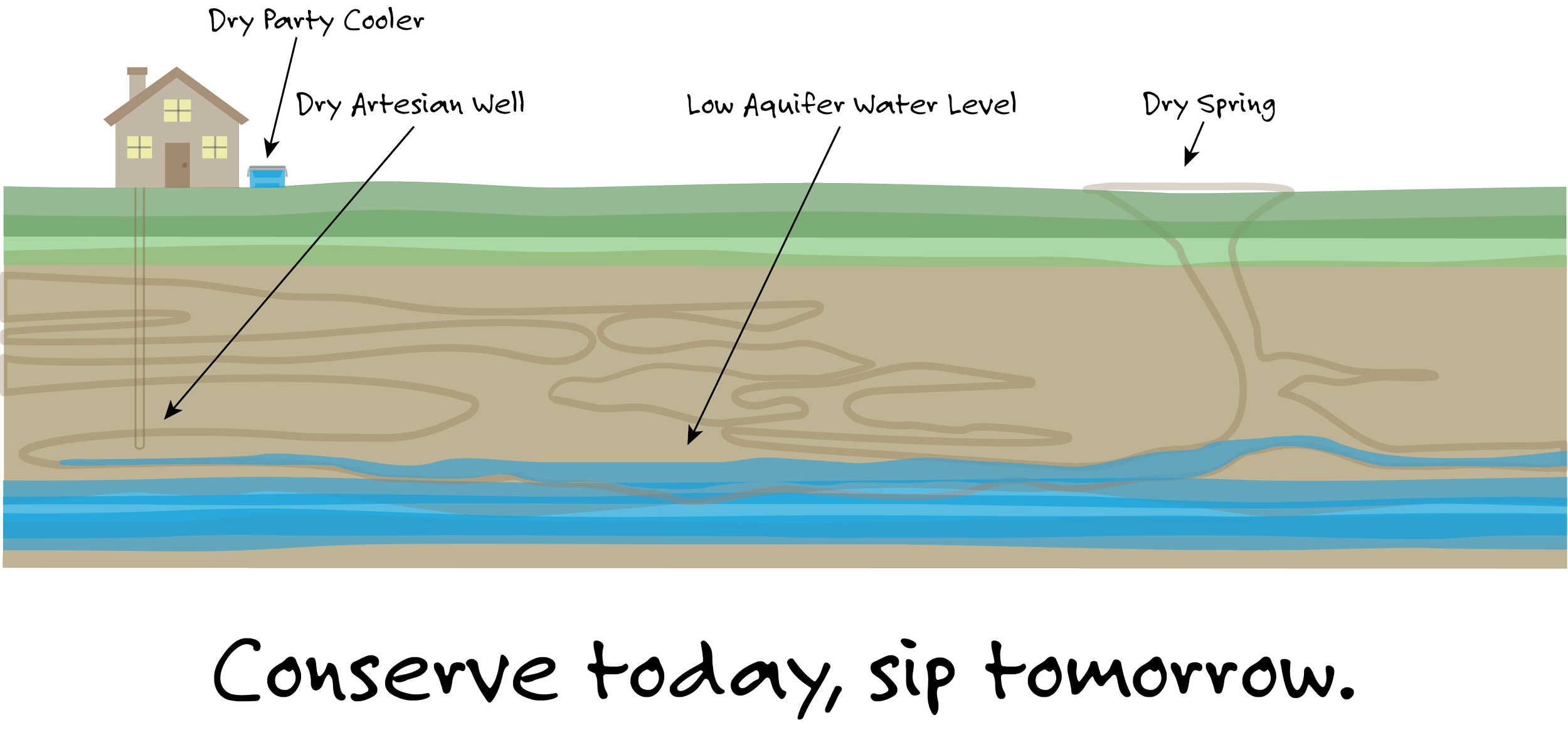
New neighborhoods are popping up like mushrooms after a summer rain, except these come with sprinklers and a surge in permits for more groundwater withdrawals. As a result, water is being pumped from the Floridan Aquifer faster than it can naturally recharge, currently at a rate 40% higher than what the aquifer can sustainably handle. This overuse has caused water levels in nearby lakes, springs, and wetlands to drop to historic lows.
Fish, manatees, shrimp, and countless plant species rely on a consistent flow of water for their food sources and habitat.
The whole entire wetland ecosystem does. But despite this, we keep handing out new groundwater permits like free samples at Costco.
The permits are being used to support new agriculture, landscape irrigation, commercial operations, industrial use, and massive neighborhoods named after the very nature they’re replacing.
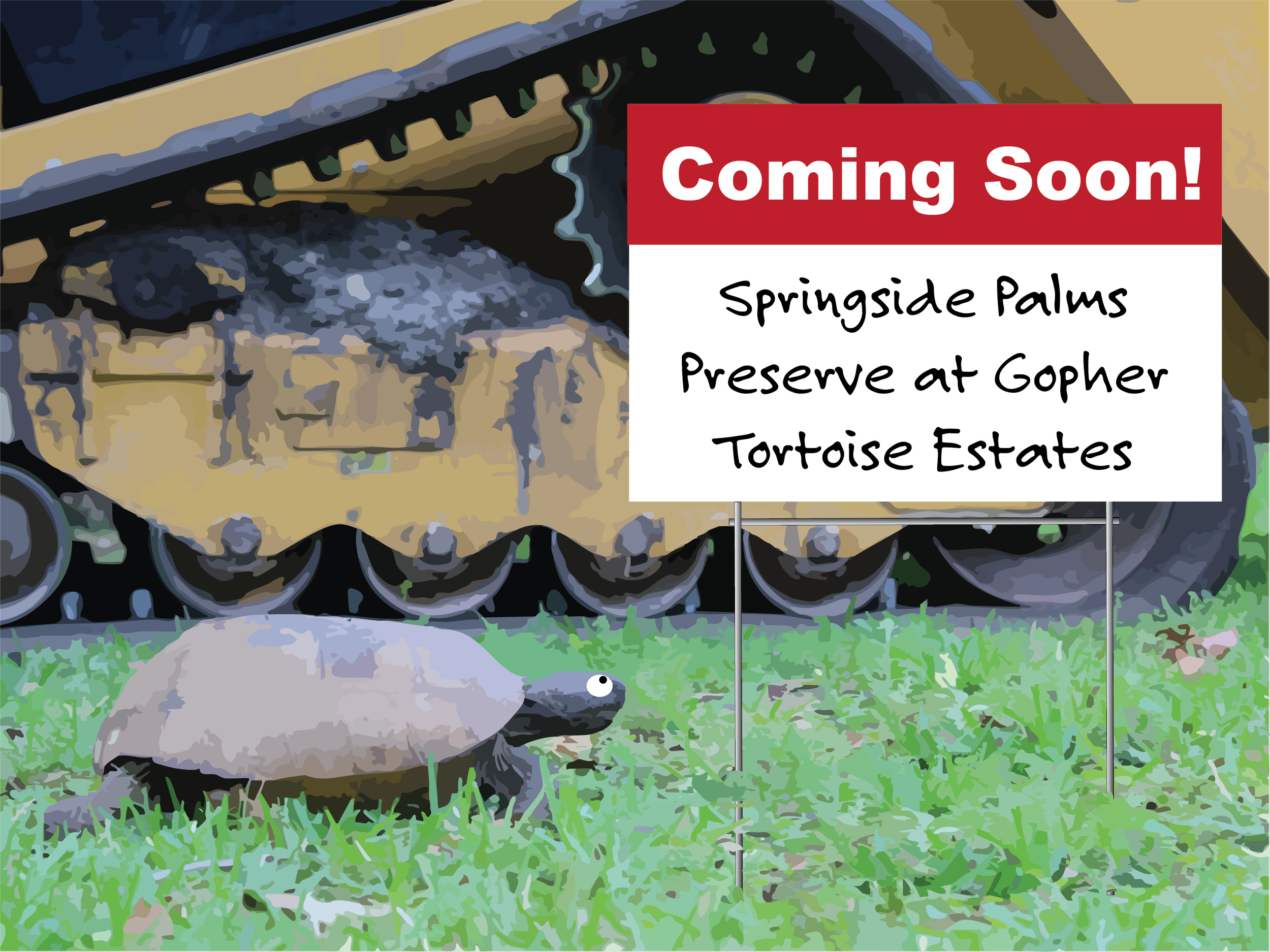
Fresh water is always in demand, but we're draining more than the aquifer can handle. New permits are in addition to the existing ones for golf courses, businesses, neighborhoods, malls, lawns, livestock, crops, and theme parks. We also drink this stuff, cook with it, bathe with it, and make ice for our hurricane coolers and cocktails. Soon we won't have any ice left for our hurricane cocktails.
On top of the pumping, new development also brings excess nutrients, pesticides, and other pollutants that seep through the ground and into the aquifer. As the water supply shrinks, those pollutants become more concentrated.
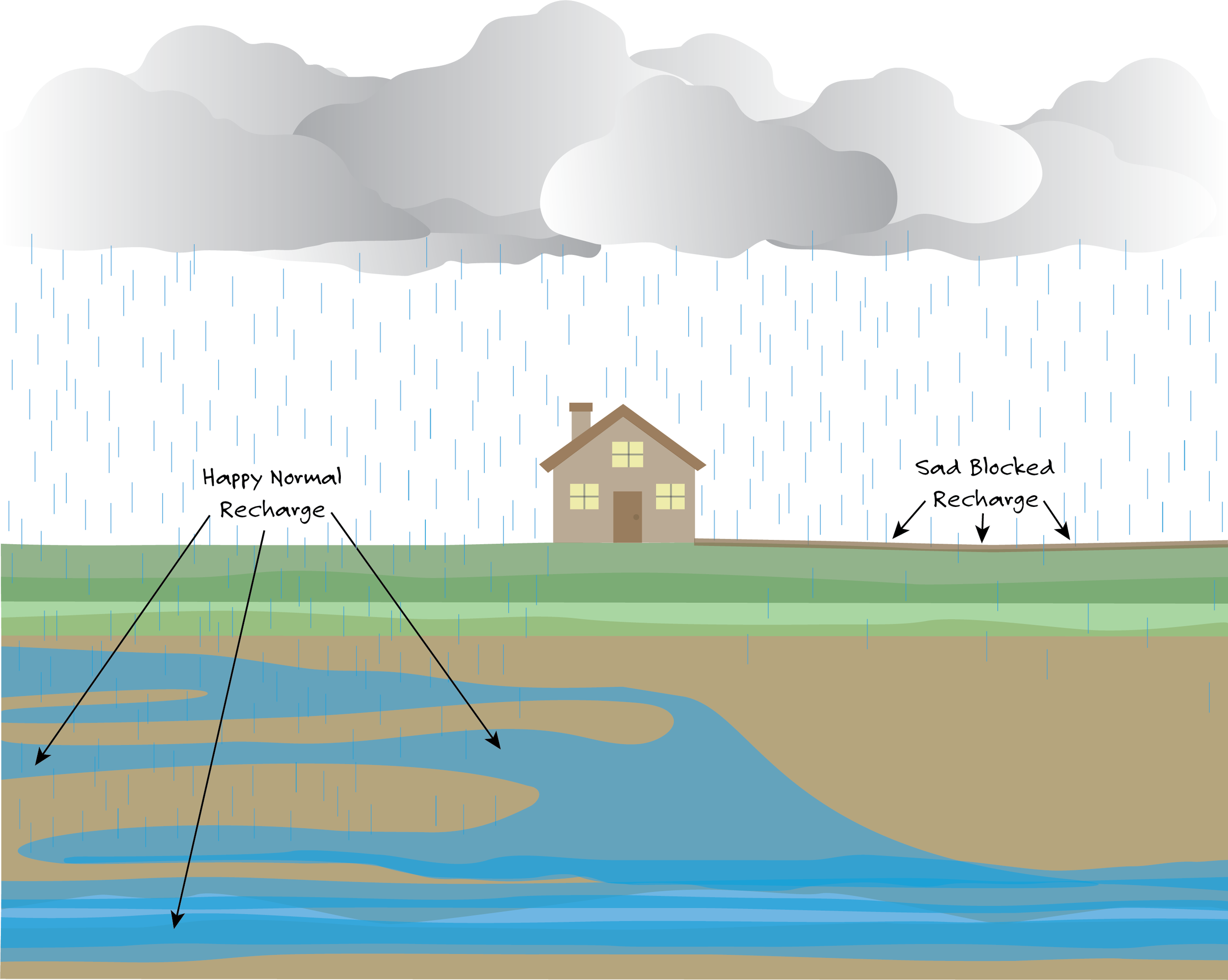
Paved surfaces like houses, driveways, roads, and shopping centers make it harder for rain to soak back into the ground, cutting off the aquifer’s natural recharge, worsening the cycle that harms the springs, the wildlife that depend on them, and ultimately, us.
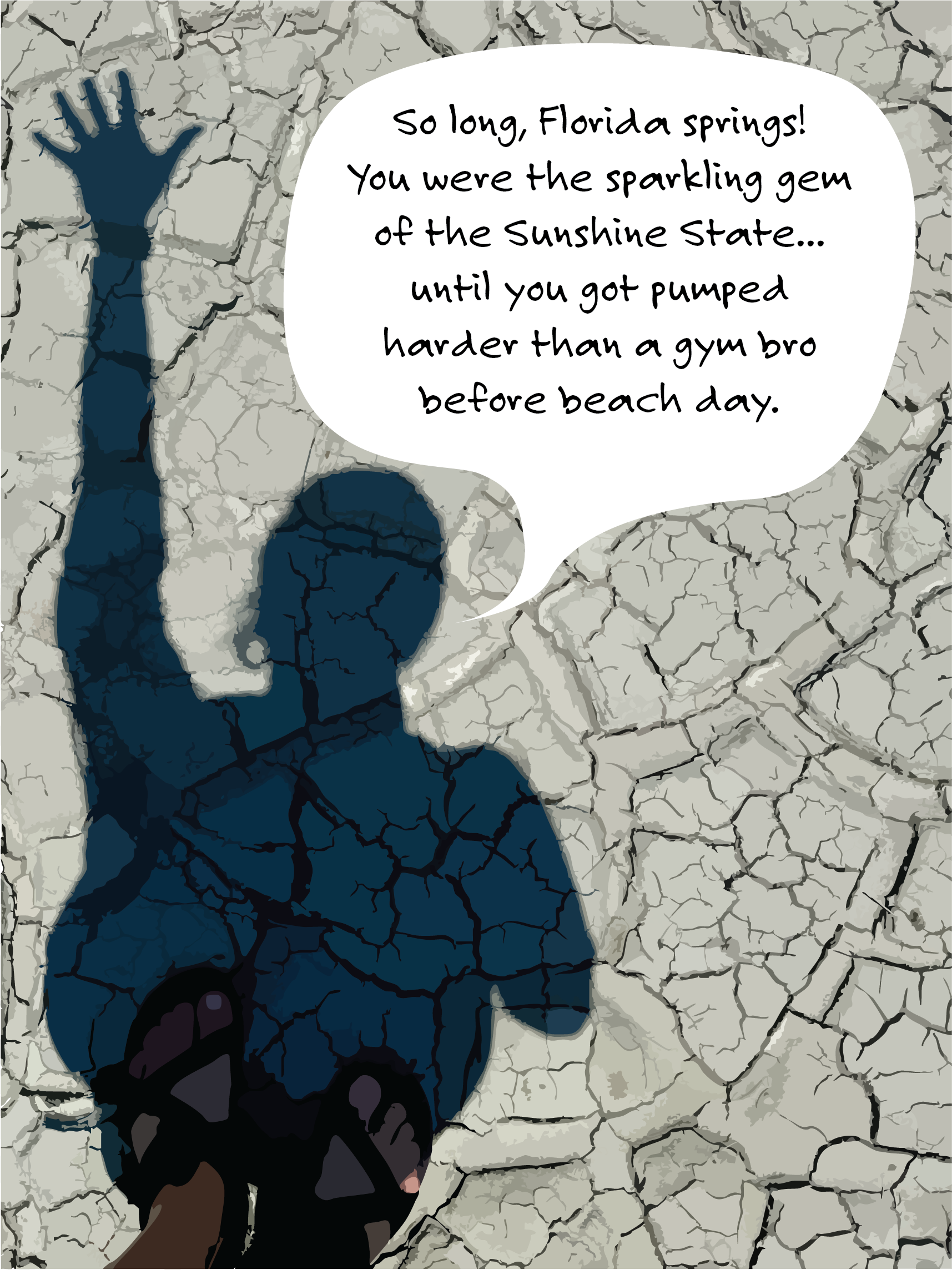
Recovery plans are in the works to restore healthy Minimum Flows and Levels (MFLs), but under state law, that process can take up to 20 years! Meanwhile, groundwater pumping continues. The concern is that if action isn’t taken sooner, the damage could become irreversible, leaving little or nothing left to recover in two decades. Leaving us drained, emotionally and hydrologically.
Problem #2
Excess Nutrients
Like many waterways around the world, the Wekiva River is overloaded with nutrients, primarily nitrogen (in the form of nitrates) and phosphorus. While both occur naturally, excessive amounts can cause serious problems.
In the Wekiva, much of this nutrient pollution comes from fertilizers, leaky sewage pipes, and septic systems.
In other waterways, add livestock waste, pesticides, urban runoff, and other lovelies to that toxic cocktail too.
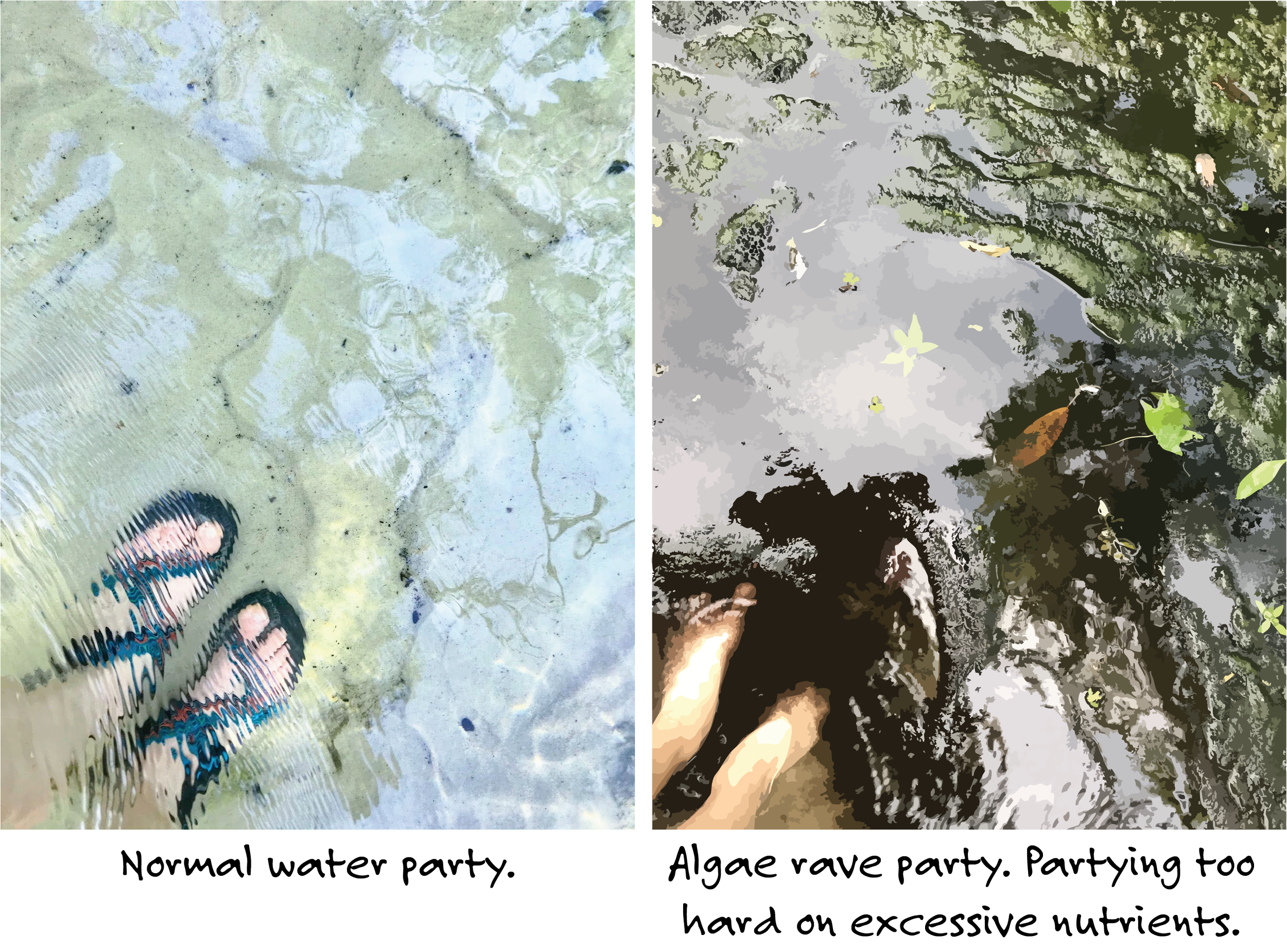
The result is a rampant growth of slimy, gross, algae-party-crashers with zero chill or cares. They block sunlight from reaching native submerged plants, leave fish looking for oxygen like it's on backorder, and disrupt key habitats and functions of the aquatic ecosystem.
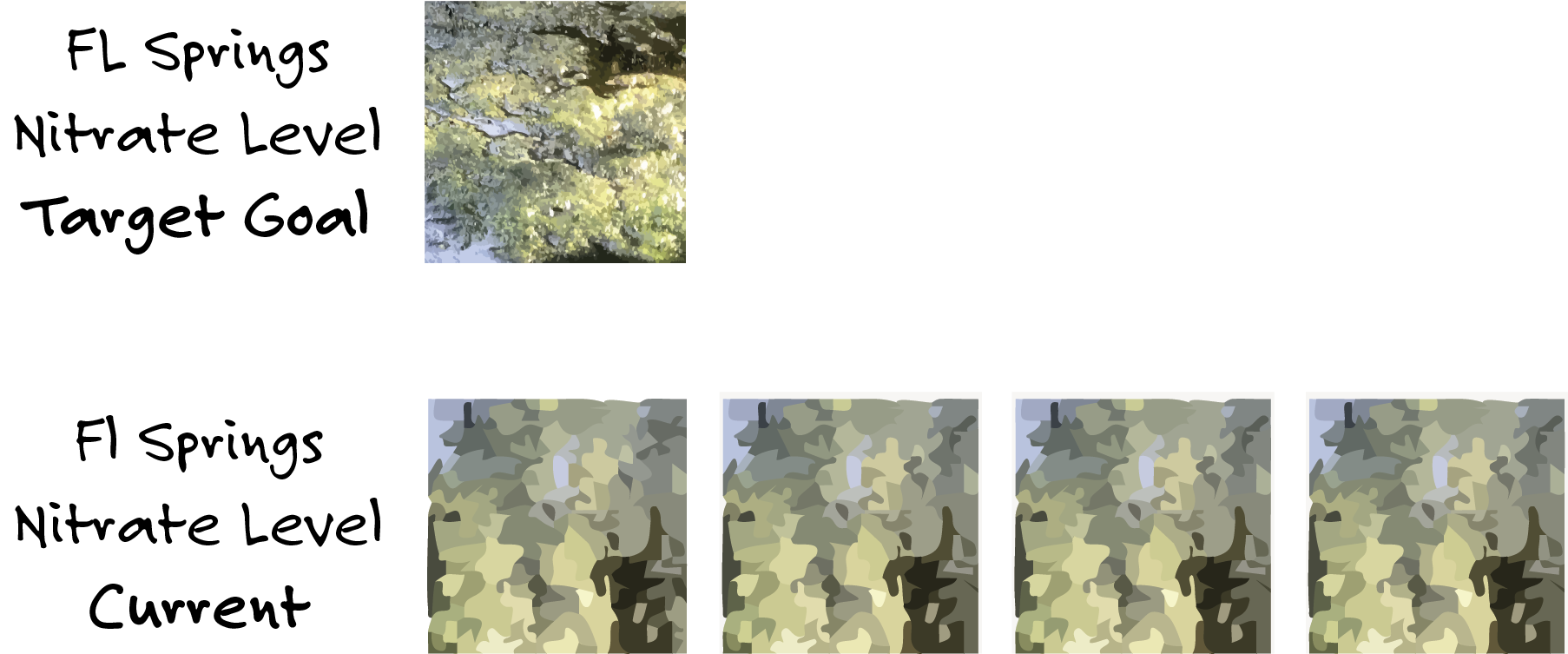
Despite existing regulations and restoration efforts, nitrate levels in the Wekiwa and Rock Springs remain three to four times higher than the target goal. Thankfully, as the water flows downstream, aquatic plants and natural processes absorb some of that excess. The Wekiva River's nitrate levels decrease by half by the time it gets closer to its rendezvous with the St. Johns River.
Rivers can be self-healing superheroes! But with numbers that high, even superheroes can get overwhelmed. When paired with water levels dropping like your phone signal in the woods, the concentration of these pollutants only intensifies, making an urgent issue even more critical.
Problem #3
Loss of Habitat & Invasive Species
As urban development around the Wekiva River expands, wildlife is left with fewer natural spaces to inhabit. Their once-spacious natural habitats are now chopped up by neighborhoods, roads, strip malls, and Walmarts.
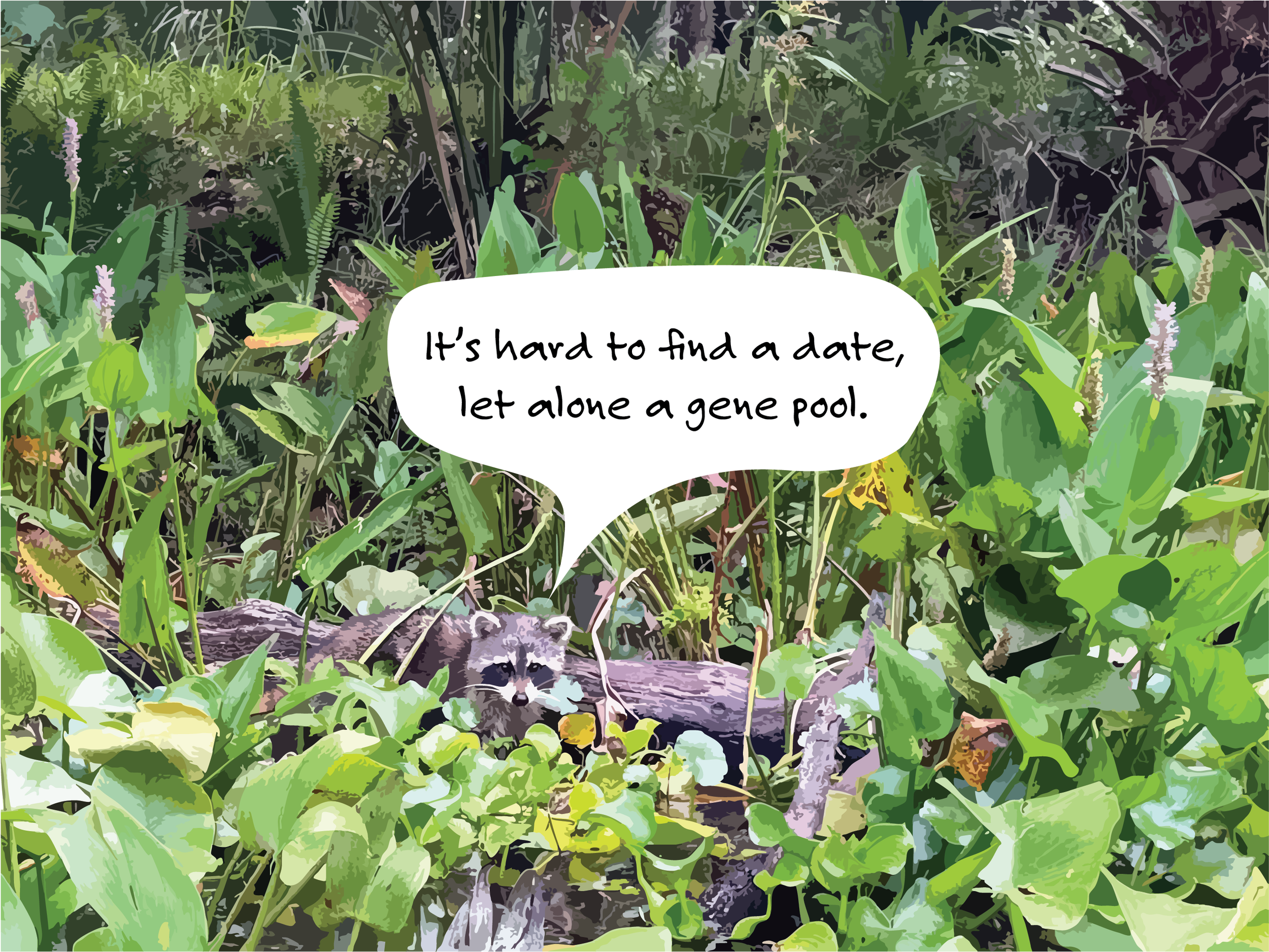
What’s left are scattered pockets of wilderness, like nature’s version of studio apartments, but miles apart from each other. This isolation can lead to genetic problems from inbreeding, or in some cases, no breeding at all.
As if the Wekiva River didn’t have enough problems, now it’s being invaded too. A whole new cast of invasive plant and animal invaders has moved in, loving the subtropical climate and acting like they own the place. Native species, already stressed from shrinking habitats, pollution, and low water levels, are now getting pushed around by these aggressive newcomers.
On the plant front, it’s like a botanical version of Hoarders.
Wild taro, water hyacinth, hydrilla, primrose willow, torpedo grass, elephant grass, and paragrass are crowding the waterways, guzzling nutrients and turning the river into an all-you-can-grow buffet.
But nobody eats the new plants on the block. They are the Real Invasive Plants of Seminole County — throwing shade, stealing nutrients, and stirring up drama.
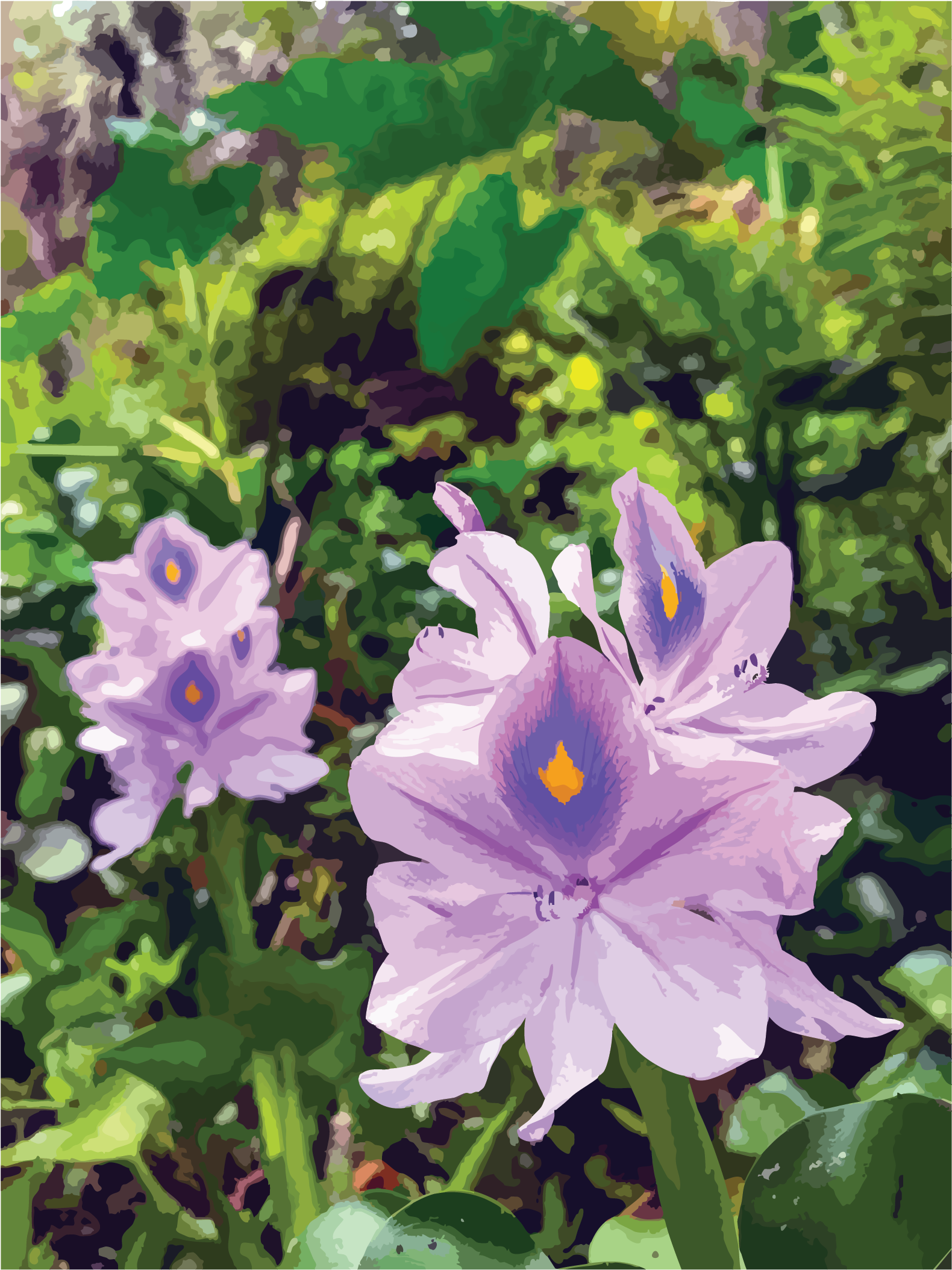
Water hyacinth. It’s pretty!..Bad. It has the highest growth rate of any known plant. It spreads across the water like a leafy blanket, blocking sunlight from submersed native plants below. It sucks up oxygen, drops piles of rotting mush to the bottom, becomes a 5-star hotel for mosquitoes, and kicks biodiversity to the curb. And that’s just one of many problem plants.
Meanwhile, in the fish world, it’s no better. Blue tilapia, brown hoplo, sailfin catfish, walking catfish, and chanchitas are swimming in like they’re the new landlords, leaving native fish struggling to keep up.
It’s the Aquatic Hunger Games and the locals are losing.
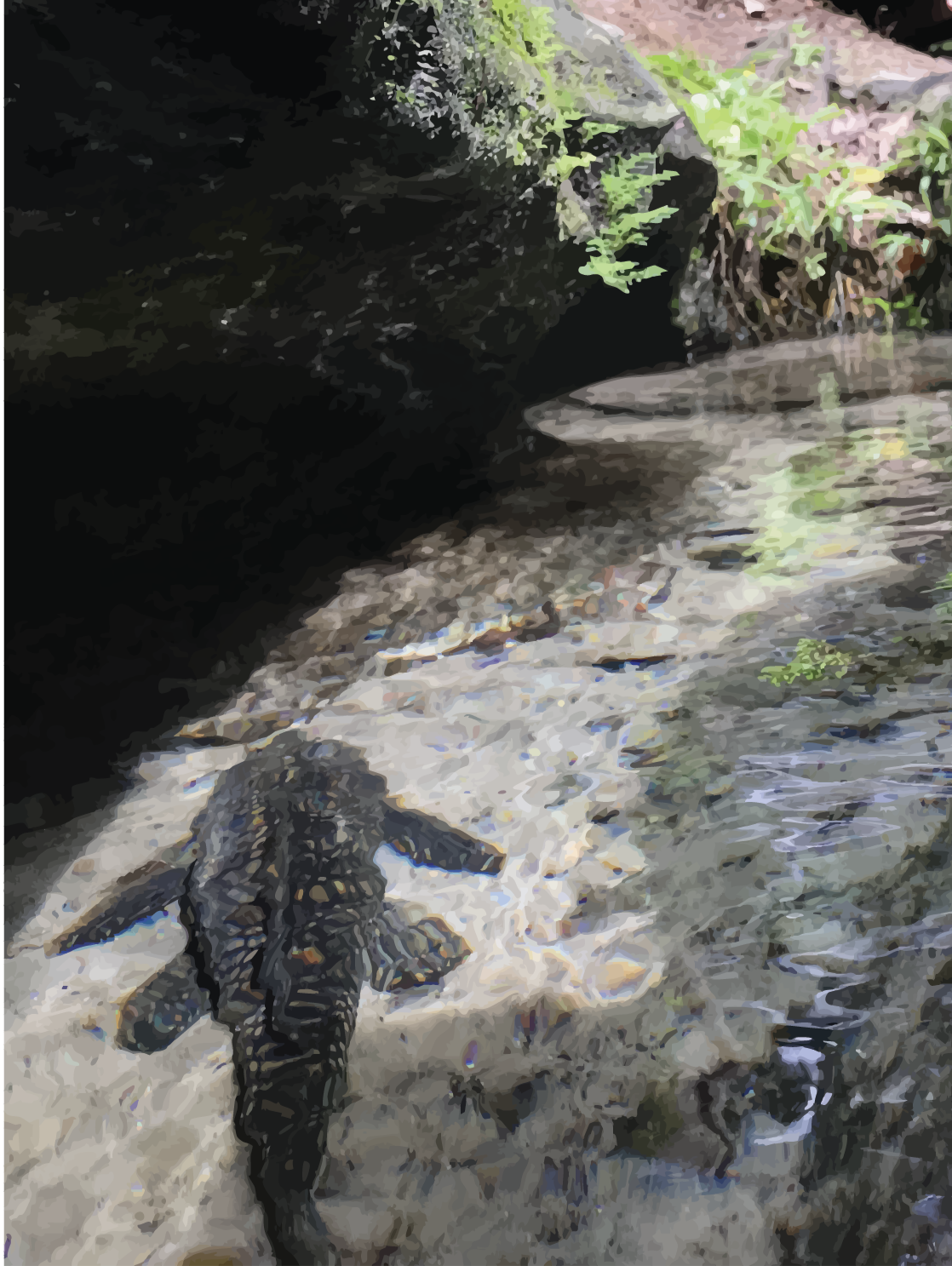
Sailfin catfish (plecos) are easy to spot. They’re everywhere! Originally from the Amazon, they’ve made themselves at home in Florida’s freshwater and they're trouble. These fish burrow into shorelines to lay thousands of eggs, which can cause erosion. In the winter, they latch onto manatees resting in the springs to suck on the algae growing on their skin. While it doesn’t hurt the manatees, it can cause stress as they try to shake them off, burning energy when they're supposed to be conserving. On top of that, they outcompete native fish for resources, throwing off the whole food chain. They suck. Literally. And that’s just one of many problem fish.